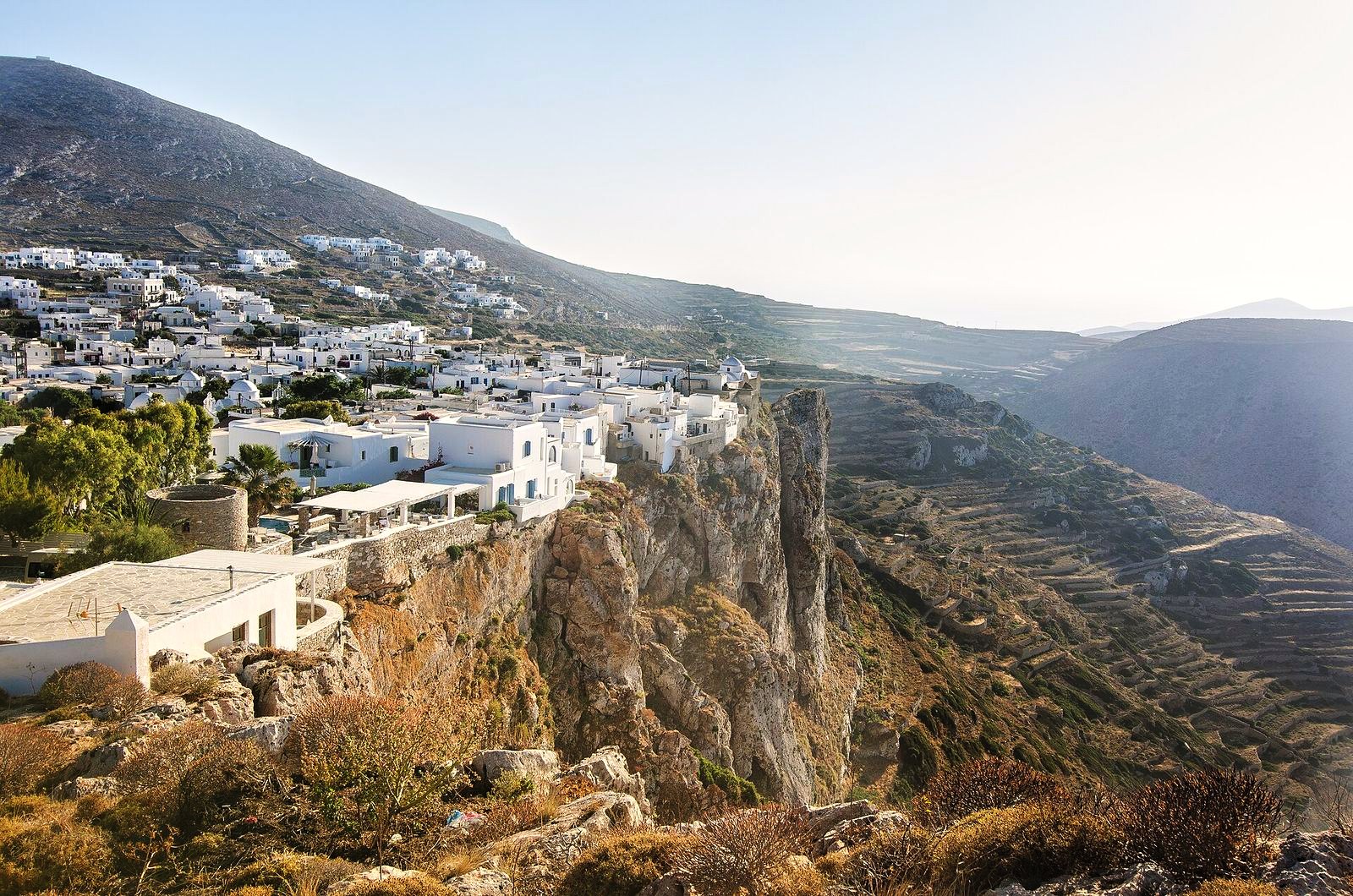
Cliff edge. Bougainvillea. Ink-blue sea two hundred metres down.
Folegandros sits in the southwestern Cyclades between Milos and Santorini, a long sliver of bare rock that most ferries skip. Its Chora is one of the finest in the islands, a medieval Kastro and a run of plane-shaded squares balanced on a cliff, and there is still no airport, no big hotel strip and no road to several of the best beaches. You arrive by boat, walk up to a square where the tables spill across the stone, and feel the day slow down. Athenians and northern Italians have known about it for decades. They would prefer you didn’t.
Why go
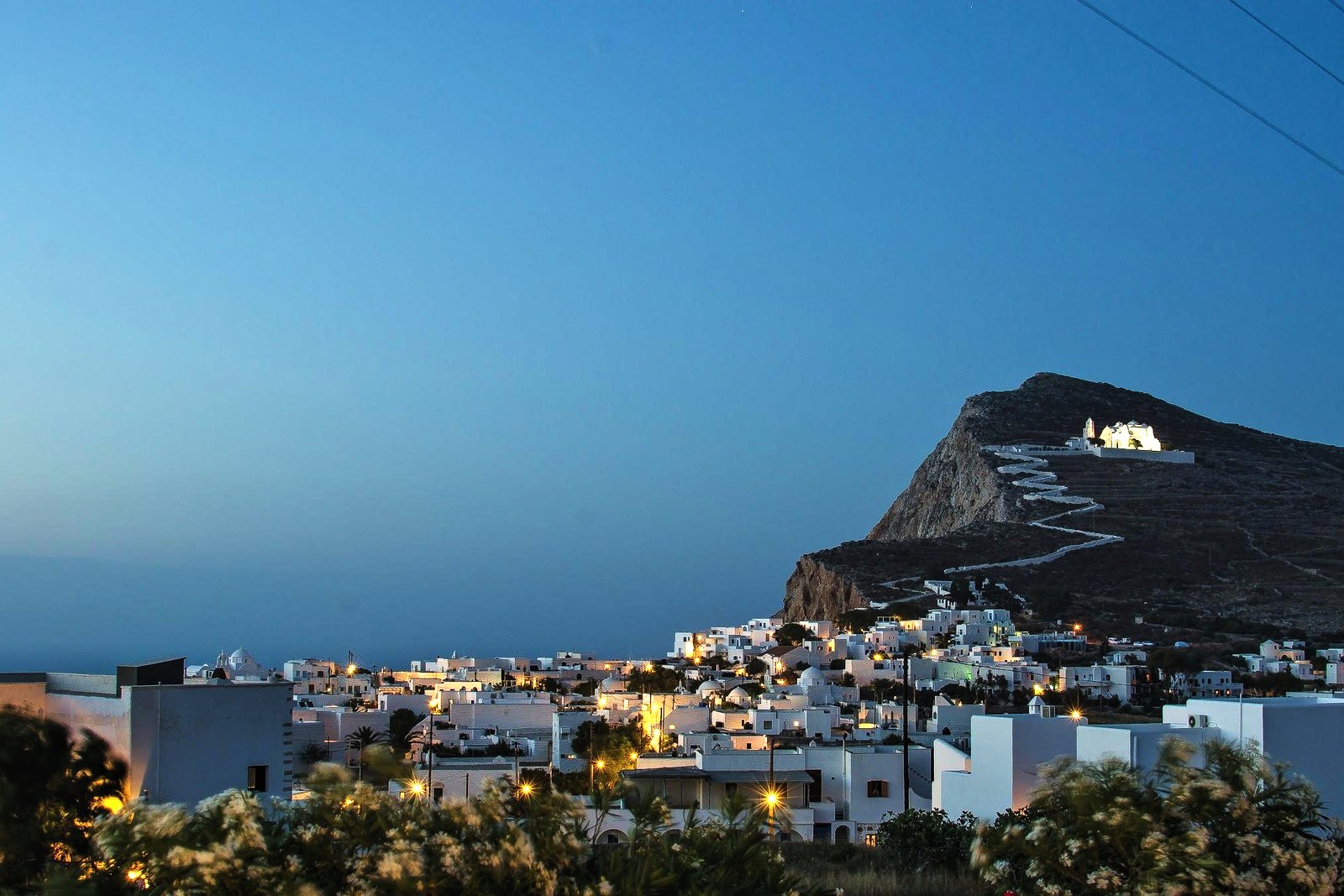
For the Chora, first. By day it is a maze of white lanes, blue shutters and bright doors; by evening every square becomes a dining room and the hum of conversation carries up to the church of Panagia on the hill. Then for the beaches, which make you work a little: a boat from the port, a goat path from the road, a swim round a headland. Folegandros rewards slow travel. You’ll eat matsata, the island’s hand-cut pasta, in a kafeneio that has been open since 1952, swim at a cove with nobody on it, and climb the zigzag path to Panagia for a sunset that silences the terrace. It is the Cyclades before the beach clubs.
The lie of the land
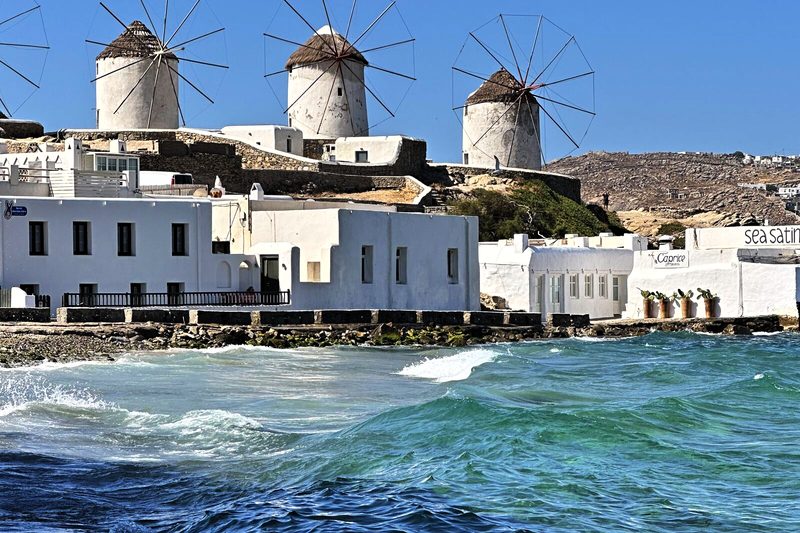
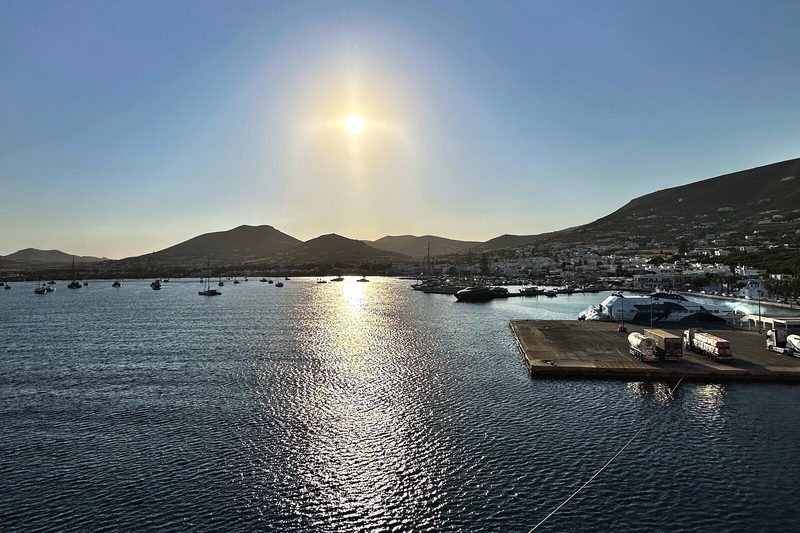
The island is about 12 kilometres end to end and never more than four wide. Three settlements string along the single spine road. Karavostasis, the port, is a low huddle of tavernas, rooms and a pebble beach, with Livadi beach a short walk south. The bus climbs in ten minutes to Chora, perched on the cliff above the north coast: the Venetian Kastro of the early 13th century at its heart, the squares of Pounta, Kontarini and Piatsa running one into the next, and the paved path zigzagging up to Panagia. Beyond Chora the road runs five kilometres to Ano Meria, a scattered farming village of stone-walled fields, windmills and the folklore museum.
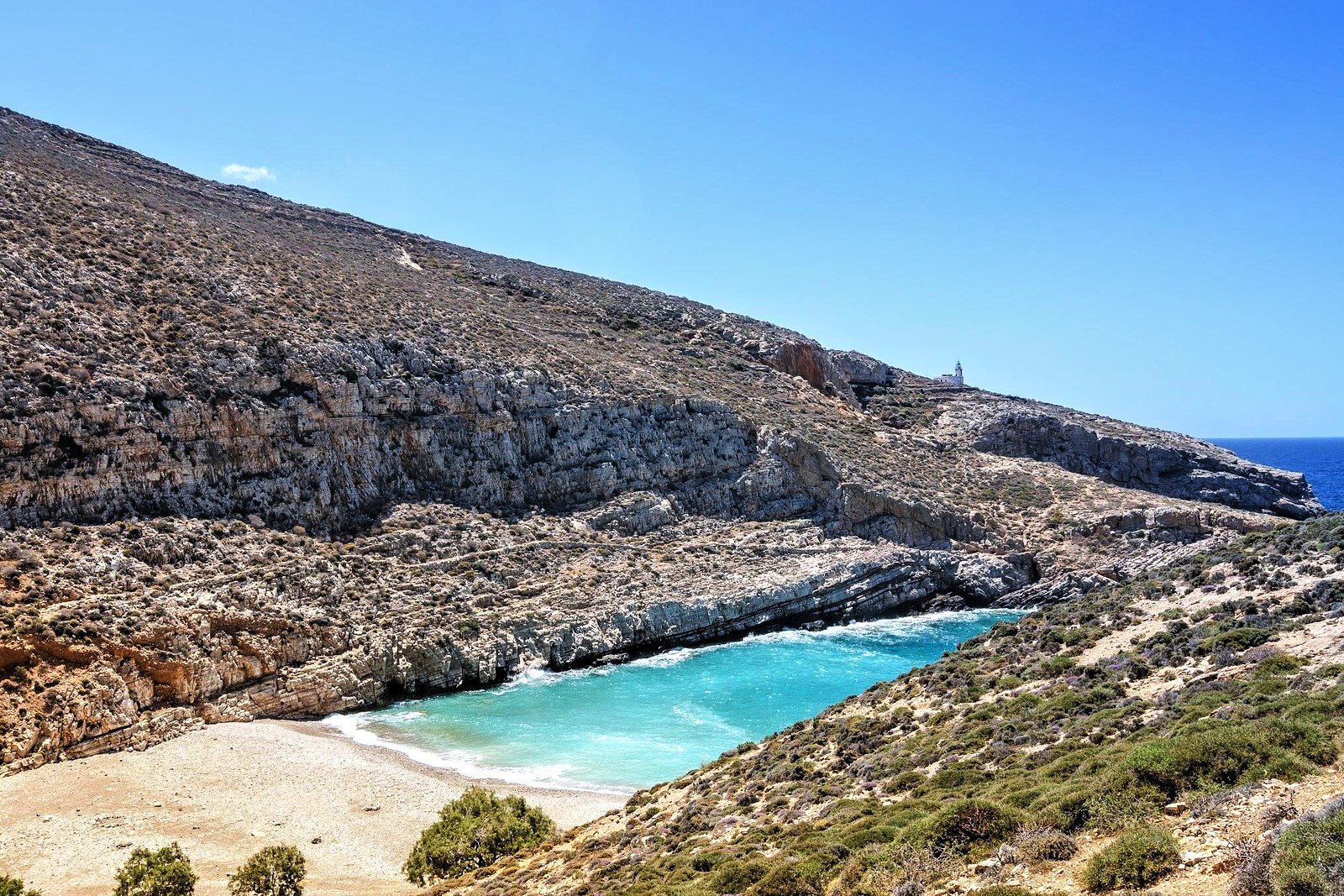
The beaches sit below. Agali is the easy one, a sandy bay reached by road and bus, with tavernas and rooms. From Agali a coastal path leads west to Galifos (ten minutes) and Agios Nikolaos (twenty), both also served by small boats in summer. Katergo, the island’s best swim, is a wide pebble cove with islets offshore, reached by boat from Karavostasis or a steep half-hour walk from Livadi. Livadaki, below the Aspropounta lighthouse, is an hour’s walk down from Ano Meria or a boat ride from Agali. On the far northern tip, Agios Georgios faces the open sea.
Eat & drink
- Chic, Chora – the square-side restaurant with the village’s front row of tables: young goat with lemon sauce, aubergines stuffed with lentils and rice; portions are modest, so go for the setting.
- Pounta, Chora – walled garden, breakfast pastries, courgette fritters and rabbit stew, and the family’s own crockery for sale.
- To Goupi, Chora – a tiny taverna on the square cooking like a grandmother: goat with lemon, moussaka, orange cake; no bookings, so come before eight.
- Irini’s, Ano Meria – a kafe-pantopoleio with two tables in the corridor and matsata kneaded fresh every morning.
- Papalagi, Agios Nikolaos – lunch on the hill above the beach in high summer only: whole grilled octopus and catch-of-the-day linguine; walk the coast path from Agali or come by boat. Fish is priced by weight, so ask the price before ordering and check the bill.
Stay
Price bands are for a double in high season: € under €100, €€ €100 – €200, €€€ €200 – €400, €€€€ over €400.
- ANEMI Folegandros, Karavostasis – five-star rooms and suites, a large pool and a tennis court a few minutes from the port. €€€€
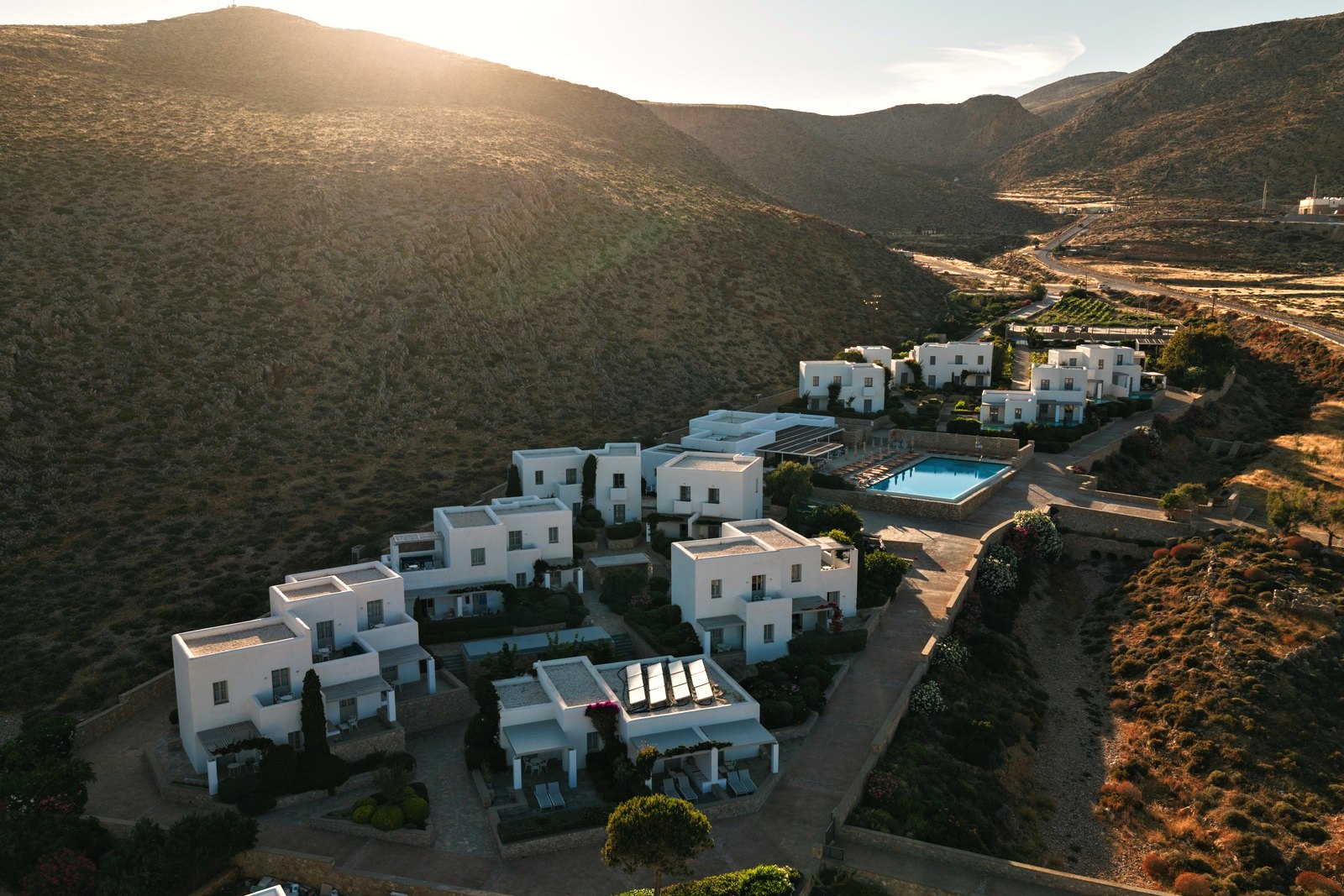
- Gundari, south-east coast – cliffside suites with private plunge pools on the island’s quiet side; sunset negronis by the pool; over-13s only, open mid-May to early October. €€€€
- Anemomilos Boutique Hotel, Chora – apartments on the very lip of the cliff, with the island’s most photographed view. €€€
- Blue Sand Boutique Hotel & Suites, Agali – rooms and suites a few steps from the sand, with breakfast and free port pickup; the Chora shuttle is charged per trip. €€€
- Polikandia Hotel, Chora – gardens, a pool and warm family service at the edge of the village. €€
- Aegeo Hotel, Chora – simple blue-and-white rooms with a small courtyard; good value. €
Things to do
- Climb the paved path from Chora to the church of Panagia for sunset (allow 15 minutes up).
- Walk the Kastro’s inner lane before breakfast, when the only sound is a broom on stone.
- Take the morning boat from Karavostasis to Katergo and swim out to the islets.
- Walk Agali to Agios Nikolaos along the coast, passing the twin chapels on the headland.
- Ride the bus to Ano Meria and visit the Ecological and Folklore Museum, a 17th-century farmstead with an olive press and cheese room; it usually opens only from about 10 July to 10 September, from 5pm to 8pm.
- Eat matsata with rooster at Irini’s, then yoghurt with rose syrup.
- Hike from Ano Meria down to Livadaki and the Aspropounta lighthouse.
- Take a boat trip round the island past the mouth of the Chrysospilia cave, whose chambers hold stalactites and the carved names of 4th-century BC youths; the boats pass below it, as entry needs a permit.
- Sit in Pounta square at dusk with a glass of local wine and watch the swallows.
- Come for Greek Easter, when the icon of Panagia is carried round every house on the island.
Getting there & around
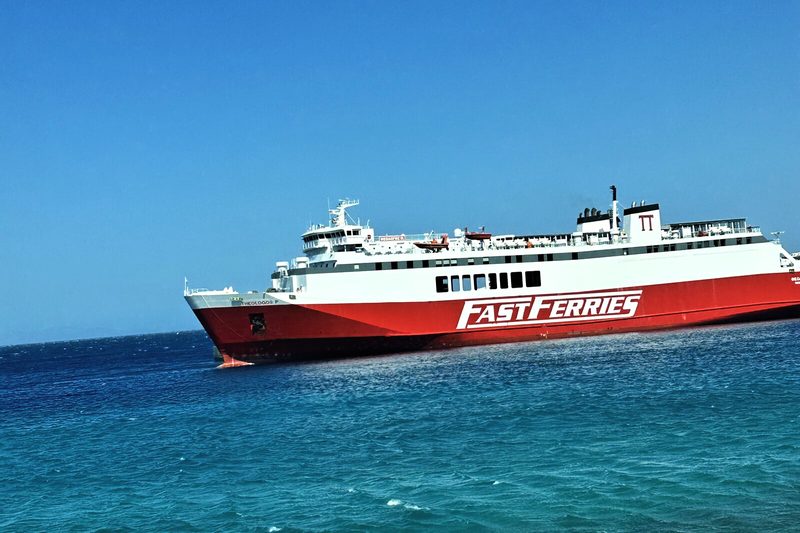
There is no airport. Ferries run from Piraeus daily in summer and several times a week in shoulder season; a fast SeaJets boat takes about four to five hours, a conventional ferry eight to nine. From Santorini it is 45 minutes to an hour by fast ferry, from Milos about an hour, from Sifnos about an hour and a half, and from Paros and Naxos two to three hours. The most useful airport is Santorini, with a bus or taxi to Athinios port and the ferry from there; Milos, about an hour away by boat, has flights from Athens. Check timings on the day; schedules change by the week and the meltemi can delay smaller boats.
On the island a bus meets most ferries for the ten-minute climb to Chora, and runs on to Ano Meria and down to Agali several times a day. Scooters, quad bikes and small cars are hired at the port and in Chora; the single tarmac road makes driving easy, but book ahead in August. There are only a couple of taxis.
When to go
Late May to the end of June and September to early October are ideal: warm sea, open tavernas, empty paths. July and August are busy with Athenians and Italians, and the Chora squares are full by nine. Most hotels and restaurants close from November to Easter, and the island is quiet in April, with Greek Easter the exception.
Good to know
Tap water comes from desalination and is not for drinking; buy bottled. There are a few ATMs in Chora and at the port, but carry cash as some tavernas and the boats to the beaches prefer it. The meltemi blows hardest in July and August: Chora and the north coast feel it, while Agali, Katergo and the southern coves stay sheltered. August is the only crowded month. Prices here are approximate and seasonal.
Walk up, swim down and let the island set the pace.