Quick answers
- Is Mykonos worth visiting?
- Yes, if you see both sides: Chora, Delos and the quiet north-coast beaches as well as the beach clubs. Late May to June and September to early October are the best months.
- How expensive is Mykonos?
- The most expensive island in the Cyclades: beach-club sunbeds carry minimum spends that can run to several hundred euros, and lunch for two at the famous names can pass €500 before wine. The tavernas balance it.
- How do I get to Delos from Mykonos?
- Boats leave from the Old Port in Chora and take about thirty minutes. Take the first boat of the morning, when the site is quietest.
- How long is the ferry from Athens to Mykonos?
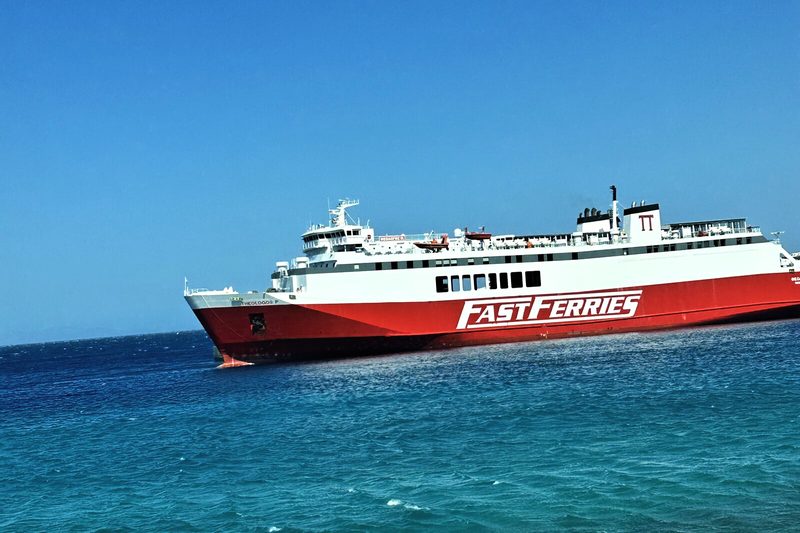
- About five to five and a half hours on a conventional ferry or two and a half to three and a half by fast ferry from Piraeus; two to three hours by fast ferry from Rafina.
Salt spray on the balconies of Little Venice. Granite boulders the size of houses. A pelican in the harbour. Mykonos is the most famous island in the Cyclades and the most misunderstood: known for its beach clubs and its bars, it is also a bare, wind-scoured rock of 85 square kilometres with one of the loveliest old towns in the Aegean, a working farming village at its centre, and the ruins of a 3,000-year-old sacred city a short boat ride offshore. Come for the glamour if you like – it is very good glamour – but leave time for the rest. Both islands are here, and the trick is to visit them in the right order.
Why go
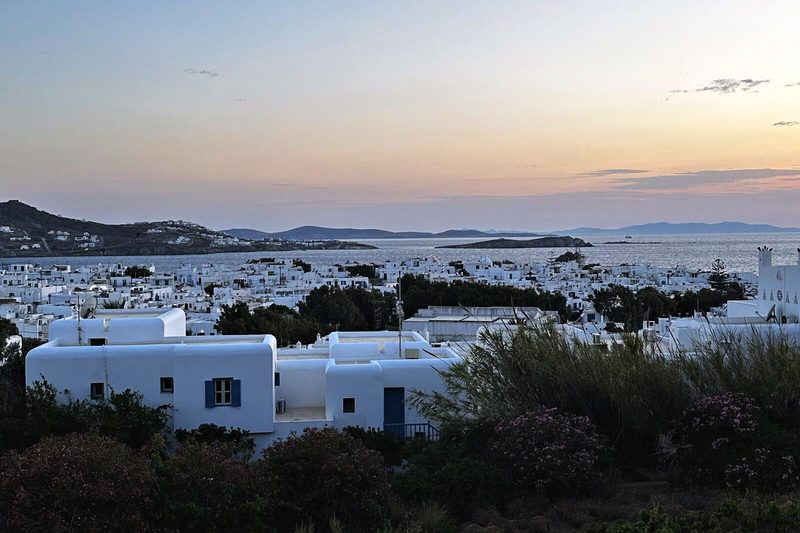
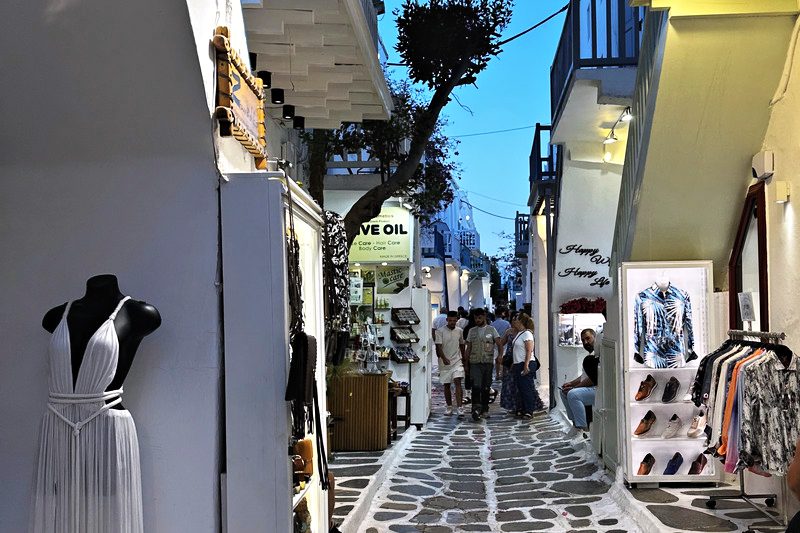
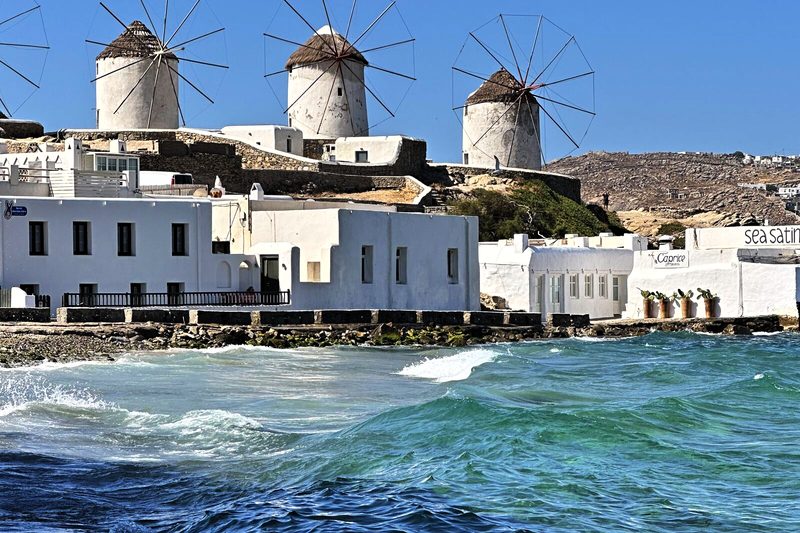
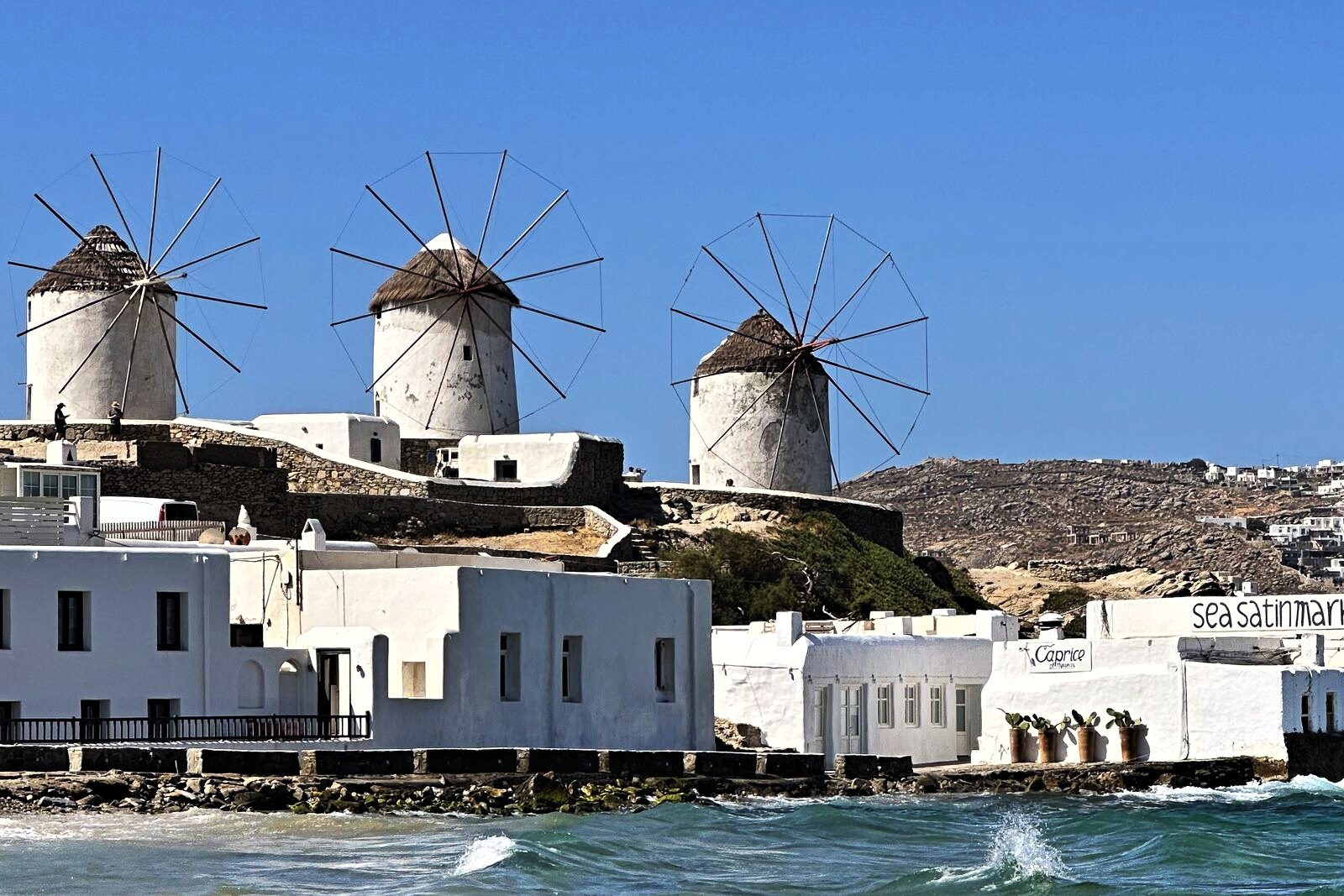
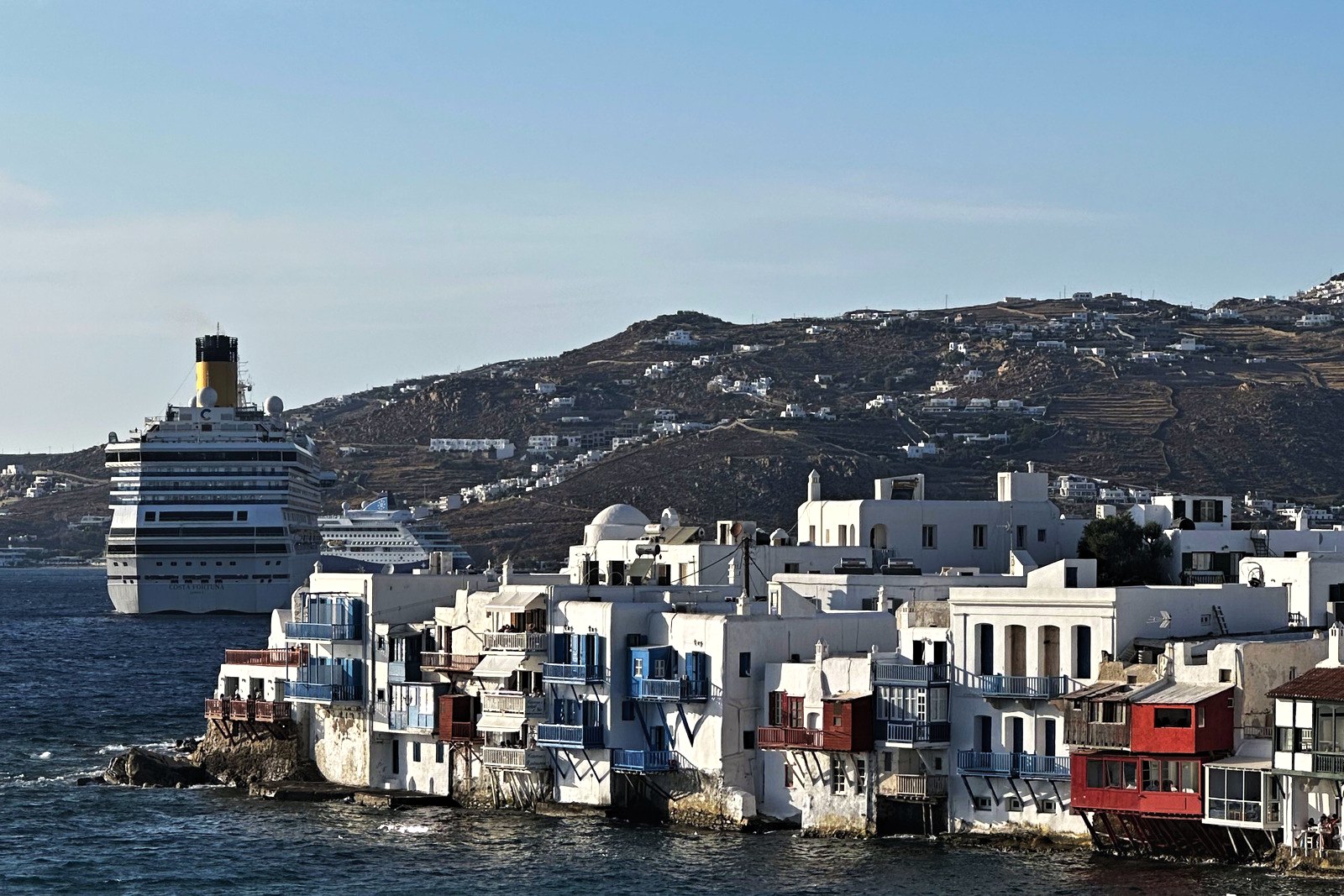
Because Chora is a marvel. The lanes were laid out to baffle pirates and still baffle everyone else, a white maze of cube houses, blue doors, bougainvillea and tiny chapels that opens suddenly onto the sea at Little Venice, where eighteenth-century captains’ balconies hang over the water and the sun sets behind a row of windmills. Because Delos, the birthplace of Apollo and once the richest port in the ancient Aegean, is thirty minutes away and at its quietest off the first boat of the morning. Because the south coast has a beach for every mood – shallow and sheltered at Ornos, glossy at Psarou, long and loose at Elia – and the north has beaches with nothing on them at all. And because, done knowingly, the island’s famous excess is enormous fun: one night in the bars of Little Venice, one day at Nammos, one sunset at Scorpios, and then back to the tavernas.
The lie of the land
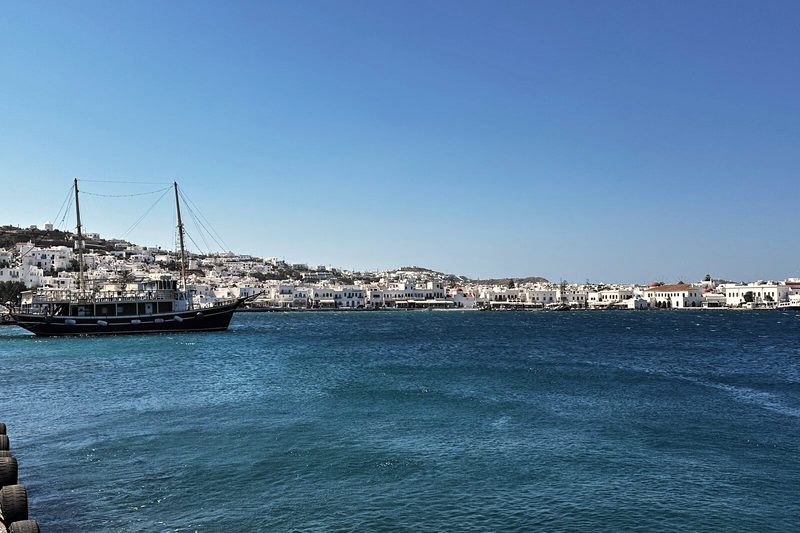
Mykonos is roughly circular, about 15 kilometres across, and bare: granite hills, dry-stone walls, thyme, and a scatter of white chapels. Almost everything happens on the coast. Chora, the main town, sits on the west side around a horseshoe harbour. The Old Port, with its fishing boats and the Delos ferries, is in the town; the New Port at Tourlos, where the big ferries dock, is about two kilometres north. Above Chora the land rises to Ano Mera, eight kilometres inland and the only real village away from the sea, with its monastery, its square of tavernas and the island’s farms.
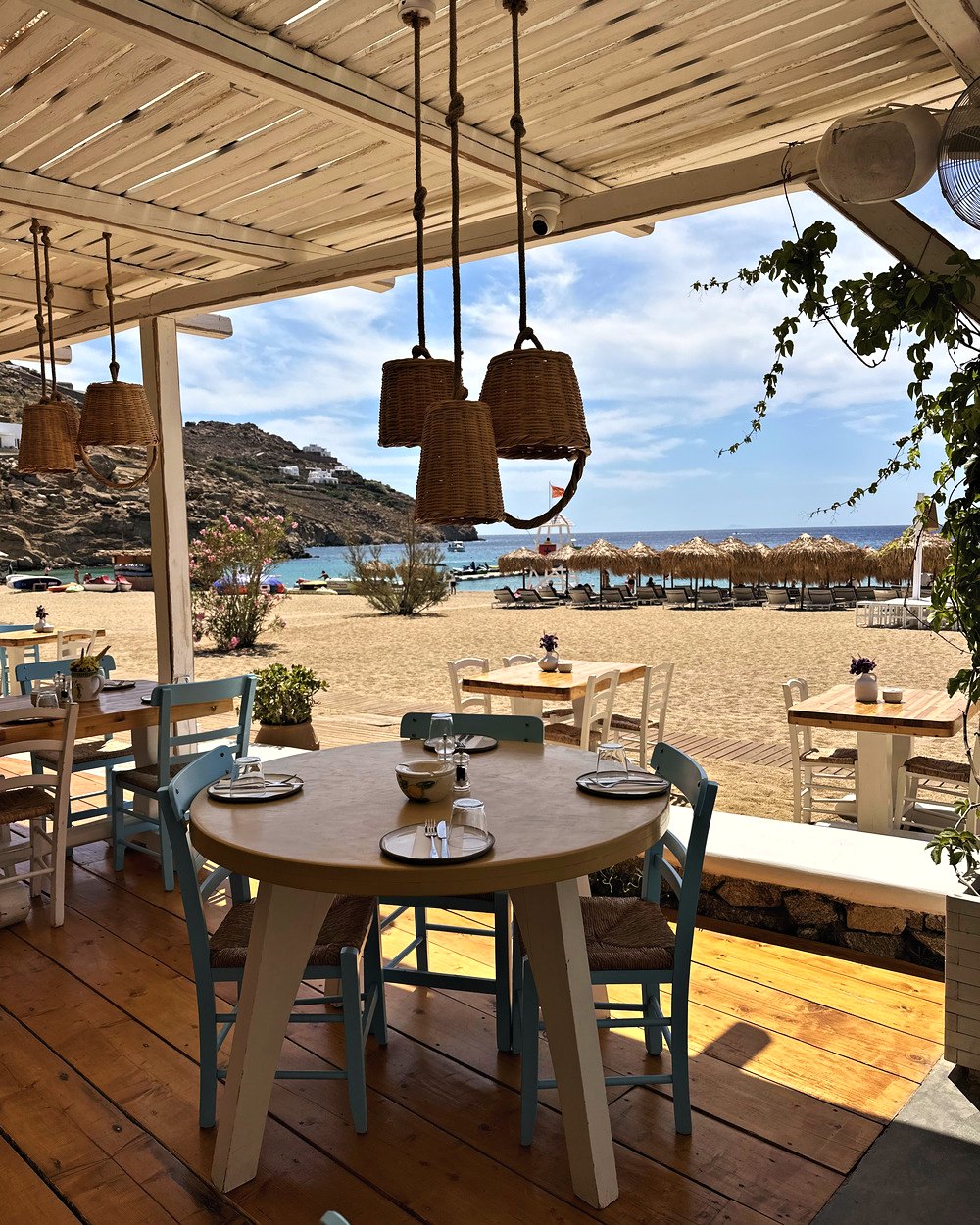
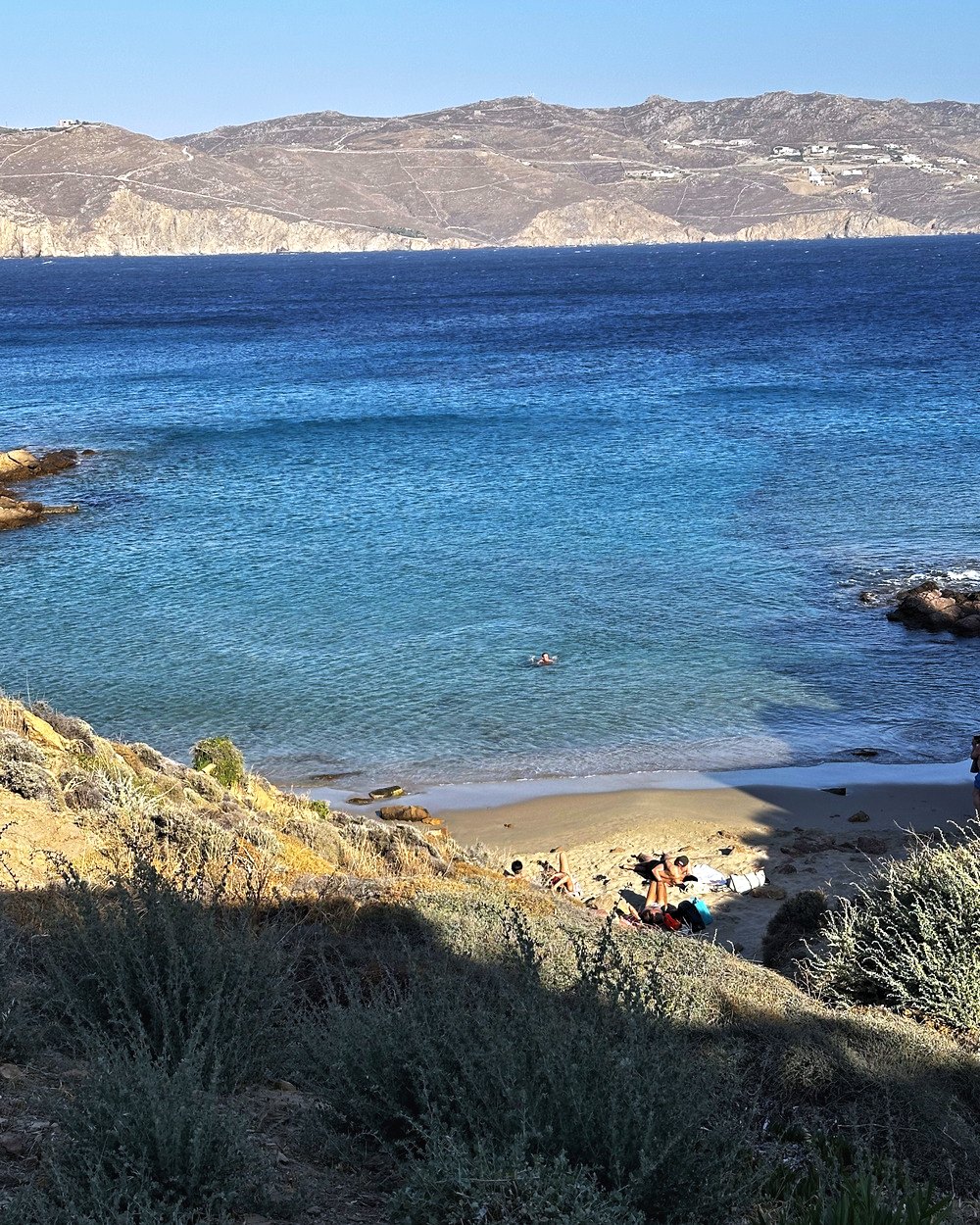
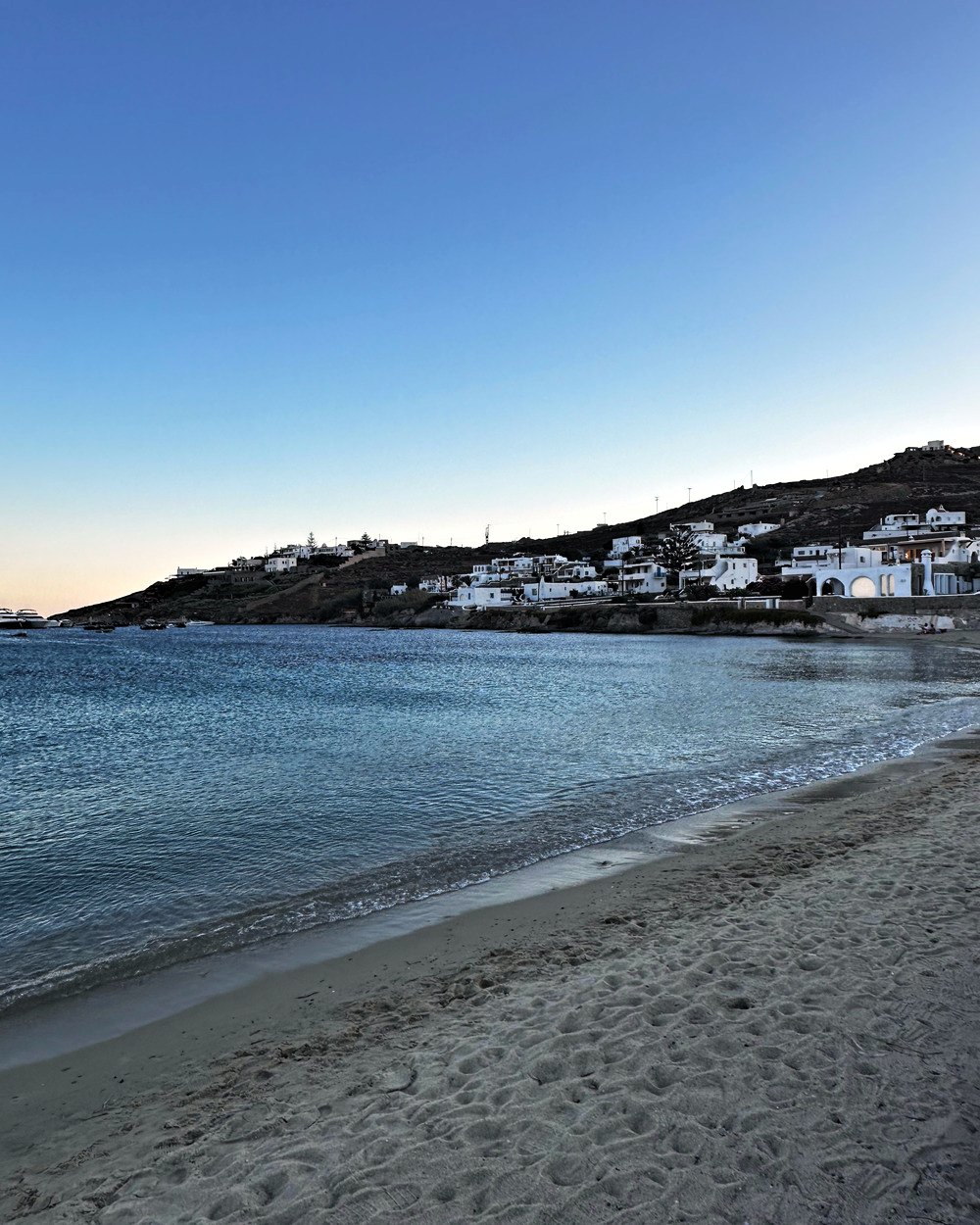
The south coast, sheltered from the north wind, is where the beaches and the clubs are, strung west to east: Ornos and Agios Ioannis in the bay facing Delos; Psarou and Platis Gialos, the busiest; Paraga and Paradise, with Scorpios and the clubs; Super Paradise; then the quieter eastern run of Agrari, Elia, Kalo Livadi and Kalafatis, where the hotels have space and the evenings are calm. The north coast is a different island: Panormos with its single beach club, Agios Sostis with Kiki’s grill, Fokos with one taverna, and Ftelia, which the meltemi turns into a windsurfers’ bay. Agios Stefanos, just north of the New Port, faces west for the sunset. Megali Ammos, a twenty-minute walk south of Little Venice, is the beach you can reach on foot from town.
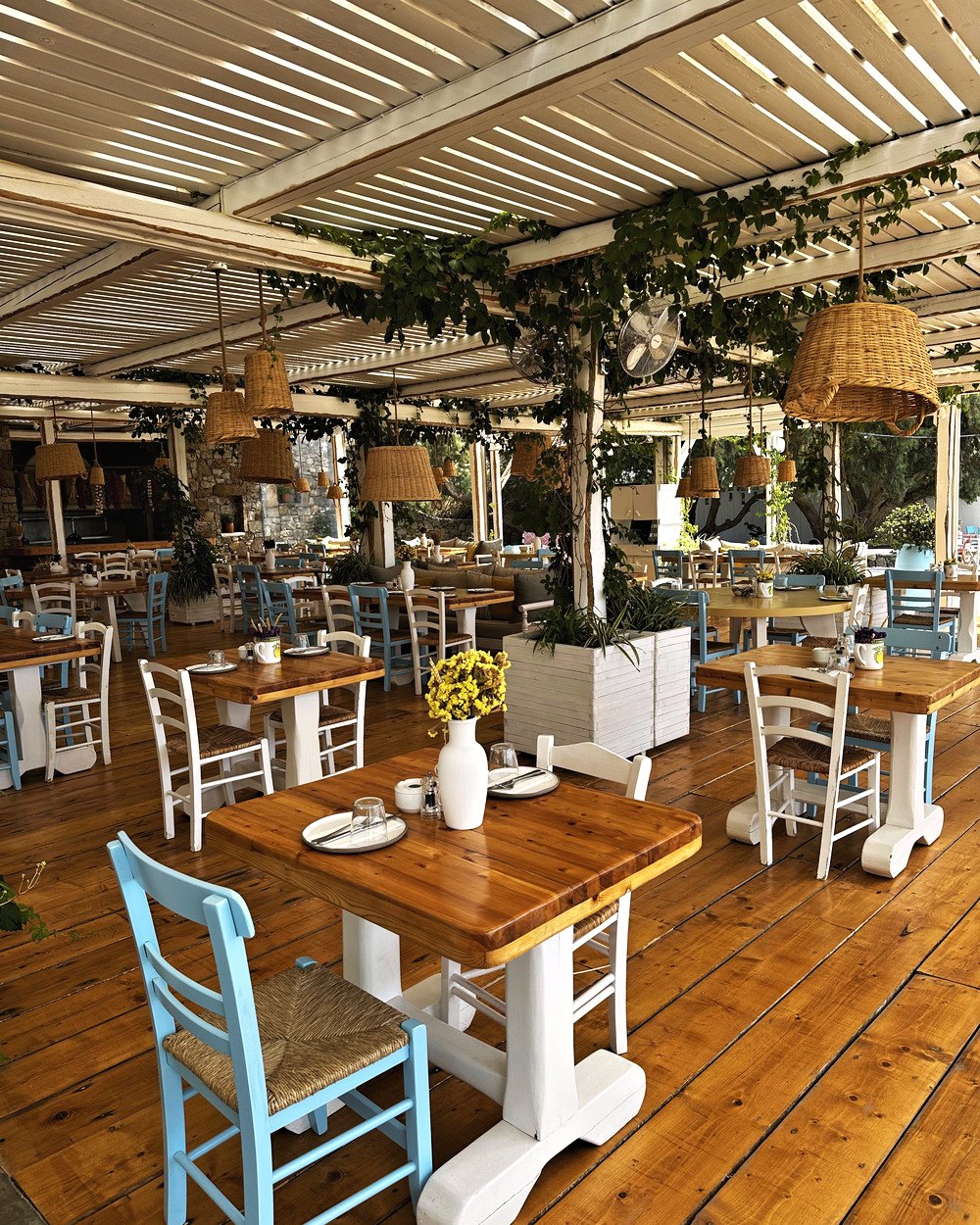
Eat & drink
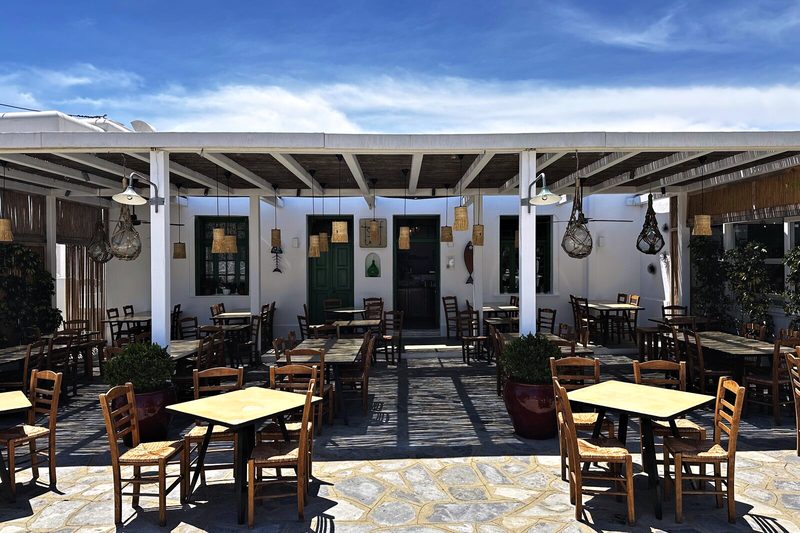
- Kiki’s Tavern, Agios Sostis – no electricity, no bookings, a charcoal grill and a queue that is part of the pleasure.
- Limnios Tavern, Agios Stefanos – lamb chops and grilled fish on a terrace facing the sunset.
- Matsuhisa Mykonos, Chora – Nobu’s black cod in the Belvedere gardens; book it for the name, the pool and the view, and expect the bill to match.
- Avli tou Thodori, Platis Gialos – the polished beach taverna: lobster spaghetti for two and candlelit tables by the water.
- To Maereio, Chora – pastitsio, stifado and louza at the fairest prices in the lanes; no bookings, so queue.
- Kalita, Chora – modern Greek cooking in a garden courtyard off Kalogera Street; dinner only.
Stay
- Semeli Hotel, Chora – two pools, a spa and the lanes three minutes away. Luxury.
- Cavo Tagoo, Tagoo – the famous infinity pool between the two ports; style over service. Luxury.
- Katikies Mykonos, Agios Ioannis – two pools above the prettiest west-coast beach, facing Delos. Luxury.
- Santa Marina, Ornos – a private beach on the most sheltered bay, good for families. Luxury.
- Villa Del Sol, Ornos – self-catering two-bedroom villas around a pool, a minute from the beach; where we stay ourselves. Mid-range.
- Myconian Avaton, Elia – Design Hotels minimalism above the island’s longest beach. Luxury.
- Koukoumi Vegan Hotel, Ano Mera – stone-built village stay, pool and plant-based kitchen. Mid-range.
Things to do
- Take the first boat to Delos and climb Mount Kynthos before the heat
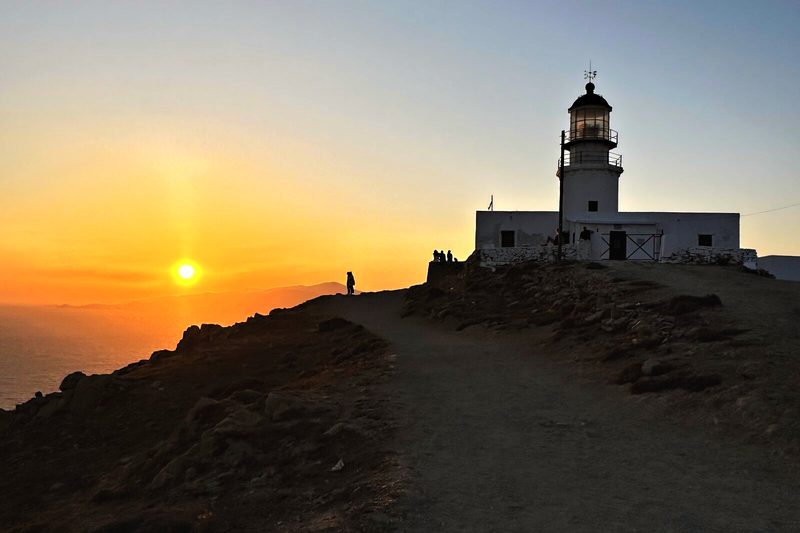
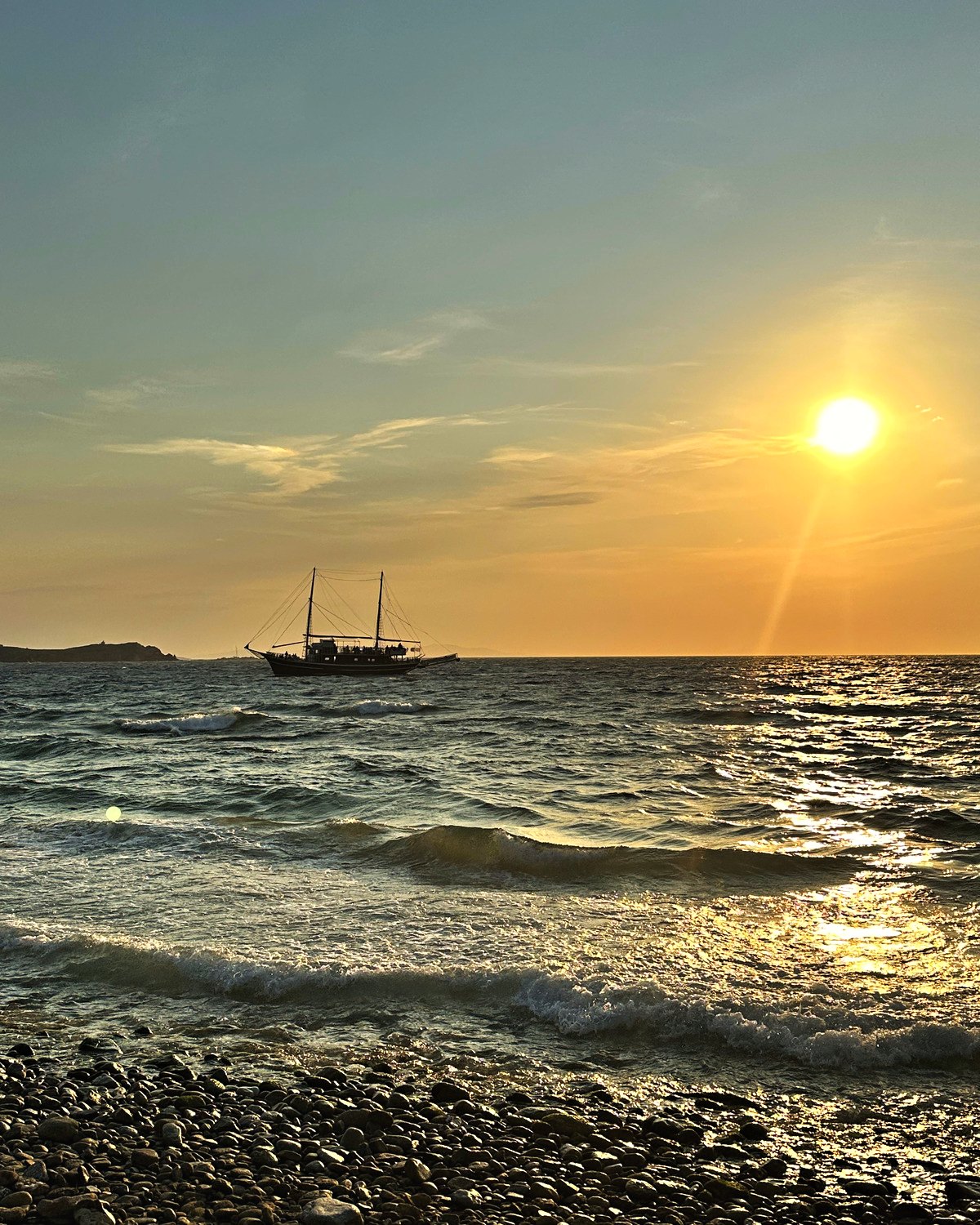
- Watch the sunset from the sea wall at Little Venice
- Walk up to the Kato Mili windmills at first light
- Photograph Panagia Paraportiani, then lose yourself in the Kastro quarter
- Visit the Panagia Tourliani monastery and eat lunch on the square at Ano Mera
- Drive north to Fokos and Agios Sostis and swim where there are no umbrellas
- Take a kaiki to Rhenia and swim in its empty coves
- Taste organic wine with meze at Mykonos Vioma vineyard
- Browse contemporary art at Rarity Gallery on Kalogera Street
- Give one day, and a budget, to a beach club: Nammos, Scorpios or Principote, knowing what you are buying
- Water-taxi along the south coast from Platis Gialos to Elia
- Walk from Little Venice to Megali Ammos for a swim away from the crowds
Getting there & around
Mykonos has an airport four kilometres from Chora with year-round flights from Athens, about 40 minutes, and seasonal direct flights from across Europe between roughly April and October. By sea, conventional ferries from Piraeus take about five to five and a half hours and fast ferries about two and a half to three and a half; from Rafina, nearer the Athens airport, fast ferries take about two to three hours. Most arrive at the New Port at Tourlos. From neighbouring islands, Tinos is about 20 to 30 minutes, Syros about 30 minutes to an hour, Paros and Naxos about 45 minutes to an hour and a half by fast ferry, and Santorini about two to three hours. Book ahead in July and August; fast ferries can be cancelled when the meltemi is strong.
Getting around is the one thing Mykonos does not make easy. Taxis are few and much contested. Buses run from two stations in Chora – Fabrika, for the south beaches, and the Old Port, for Ano Mera, Elia and Kalafatis – and are cheap and frequent in summer. A SeaBus shuttles between the New and Old Ports, and water taxis hop along the south coast from Platis Gialos to Paraga, Paradise, Super Paradise, Agrari and Elia. Hire a car or a sturdy ATV for the north coast; scooters struggle on the tracks. Many hotels run shuttles into town, which saves the parking problem entirely.
When to go
Late May to June and September to early October are the sweet spot: warm sea, open restaurants, long evenings and room to move in the lanes. July and August bring the crowds, the cruise ships, the highest prices and the strongest meltemi, which can blow for days; the beach clubs are at full volume and the island is at its most itself, for better and worse. The sea is warmest from late August into September. Easter, when the island reopens, is quiet and lovely, if cool for swimming. From November to March most of the coast closes and Chora belongs to the Mykonians.
The season, plainly
Mykonos in July and August runs at a scale no other Cycladic island does, and it is only fair to say what that means before you book. The famous beach clubs and restaurants are priced for the yachts in the bay, not for a fortnight’s holiday: sunbeds come with minimum spends that can run to several hundred euros, front-row tables are booked with deposits, and lunch for two at the best-known names can pass €500 before the wine. Service is fast and often brusque, because every table turns twice and nobody needs your return custom; a question about the bill is more likely to meet a shrug than an apology, and the reviews of the island’s most famous addresses say so in their thousands. None of this makes them bad places. It makes them a particular kind of experience: you go to Nammos or Scorpios to have been to Nammos or Scorpios, for a day you will talk about, and you budget for it the way you would a night at a casino.
The island you will actually enjoy is the other one: the tavernas on dirt tracks, the north-coast beaches, Ano Mera on a Sunday, Chora at eight in the morning, and that is where most of this guide points. For the famous places, a little self-defence goes a long way: book, and read the booking terms; ask the price of fish by the kilo and of the sunbed before you sit; check the bill line by line before you tip, because service is sometimes already on it; pay by card; and go in June or September, when the same places are calmer, cheaper and kinder.
Good to know
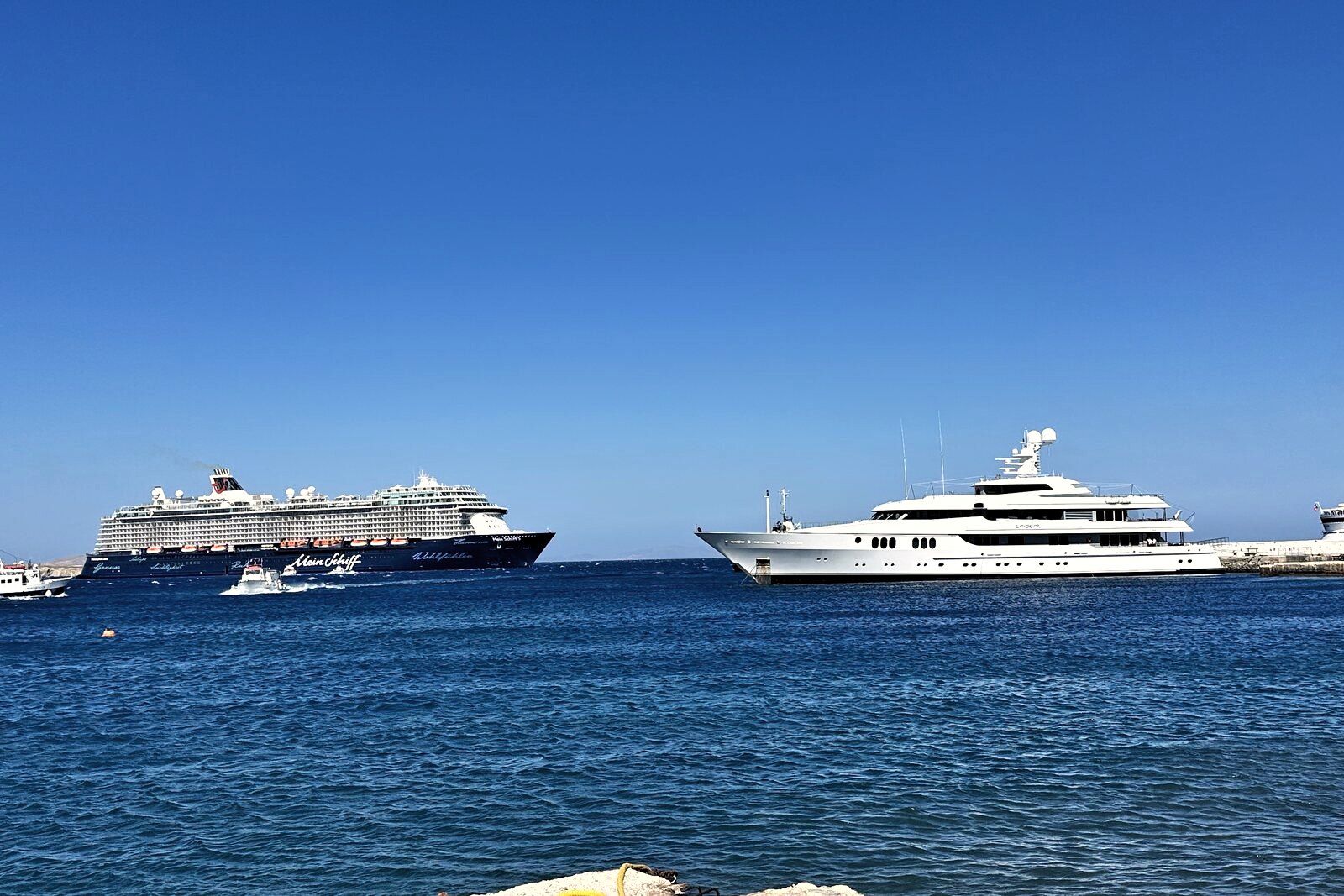
Tap water is not for drinking; buy bottled. ATMs are plentiful in Chora and at the ports, scarcer at the beaches, and tavernas such as Kiki’s take cash only. The meltemi hits the north coast hardest – Panormos, Agios Sostis, Fokos and Ftelia – so on a windy day head south to Ornos, Psarou or Platis Gialos, which stay calm. Chora is crowded between late morning and mid-afternoon when the cruise ships are in; go early, go late, or go to the beach in between. Petros the pelican, or his successors, still patrols the harbour. Prices are the highest in the Cyclades, so book beds and tables early, let the tavernas balance the beach clubs, and read The season, plainly above before you book the famous names.
Granite, white lime and a wind that never quite stops: Mykonos is a hard, bright island that has learnt to throw a very good party, and it is at its best when you remember both.