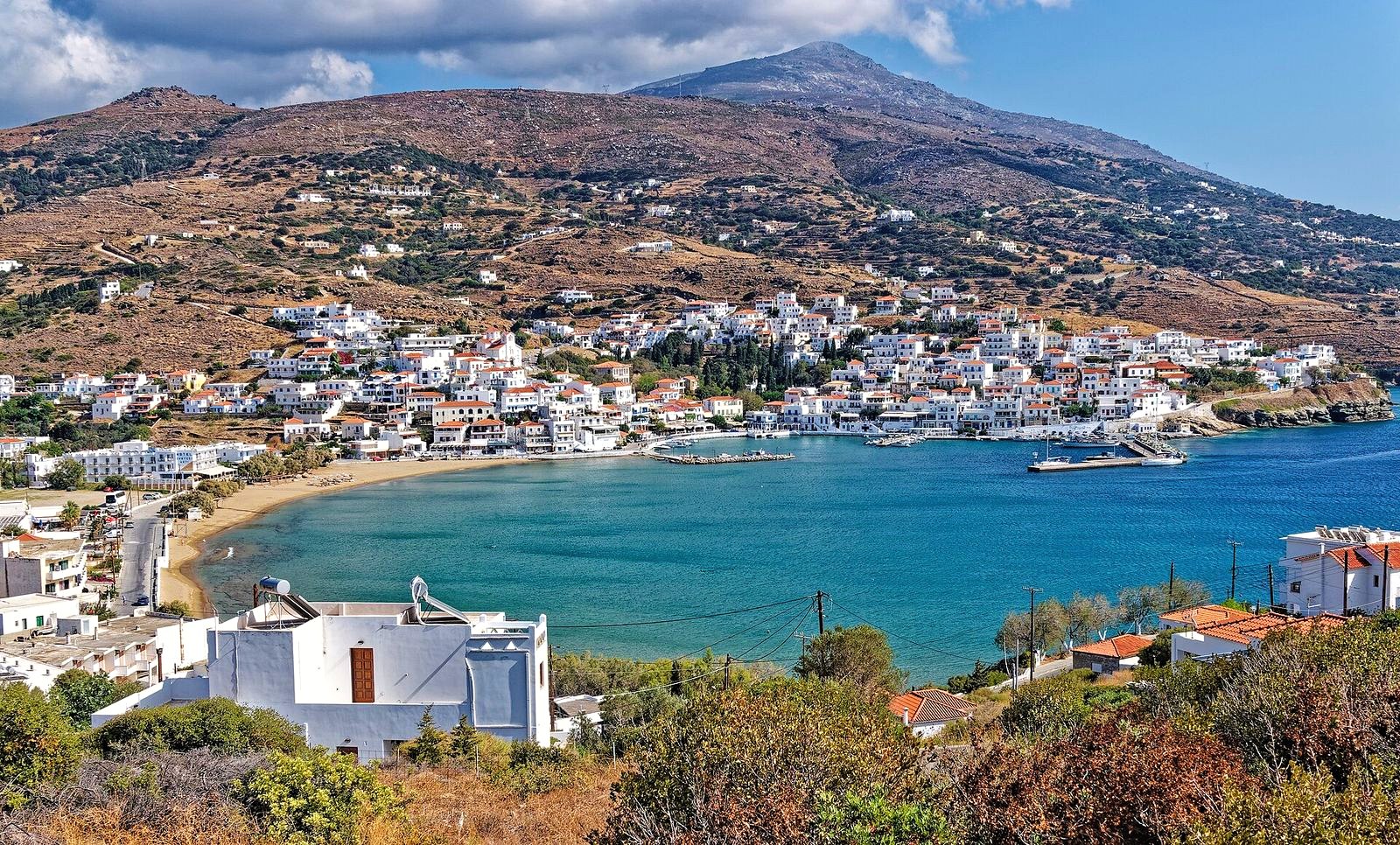
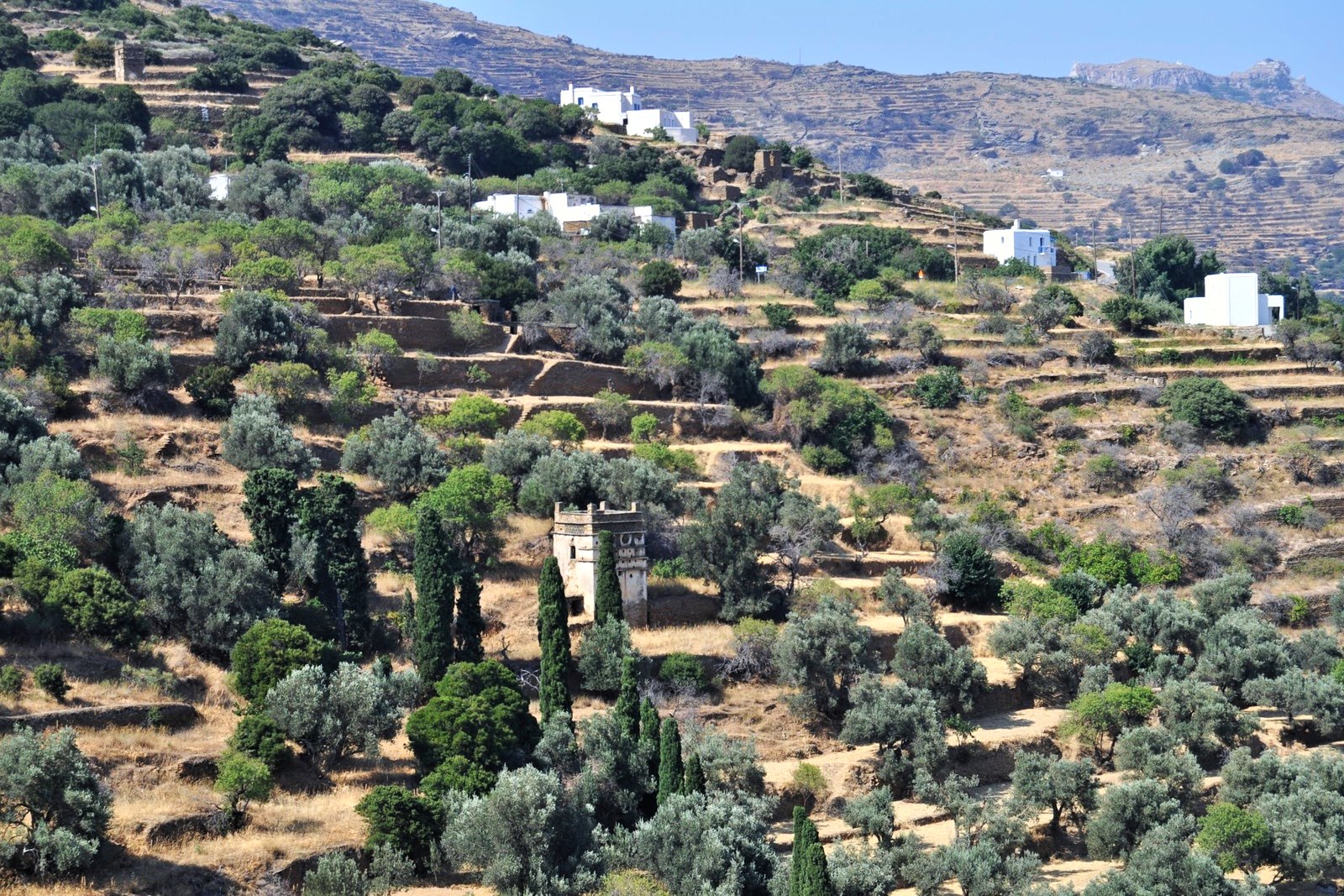
The sound of water. On an island group famous for having none, Andros runs with it: springs piped into marble lion-heads at Menites, a river threading the Achla valley to the sea, waterfalls in the walnut woods above Apikia. The second-largest of the Cyclades is also the greenest and the least Cycladic, with slate roofs, stone bridges and a capital built by shipowners who wanted it to look like Athens. Those families, the Goulandris and Embiricos among them, left behind a museum whose summer shows have brought Picasso to a village of two thousand people. Everyone else left footpaths, and a volunteer group has spent a decade putting them back.
Why go
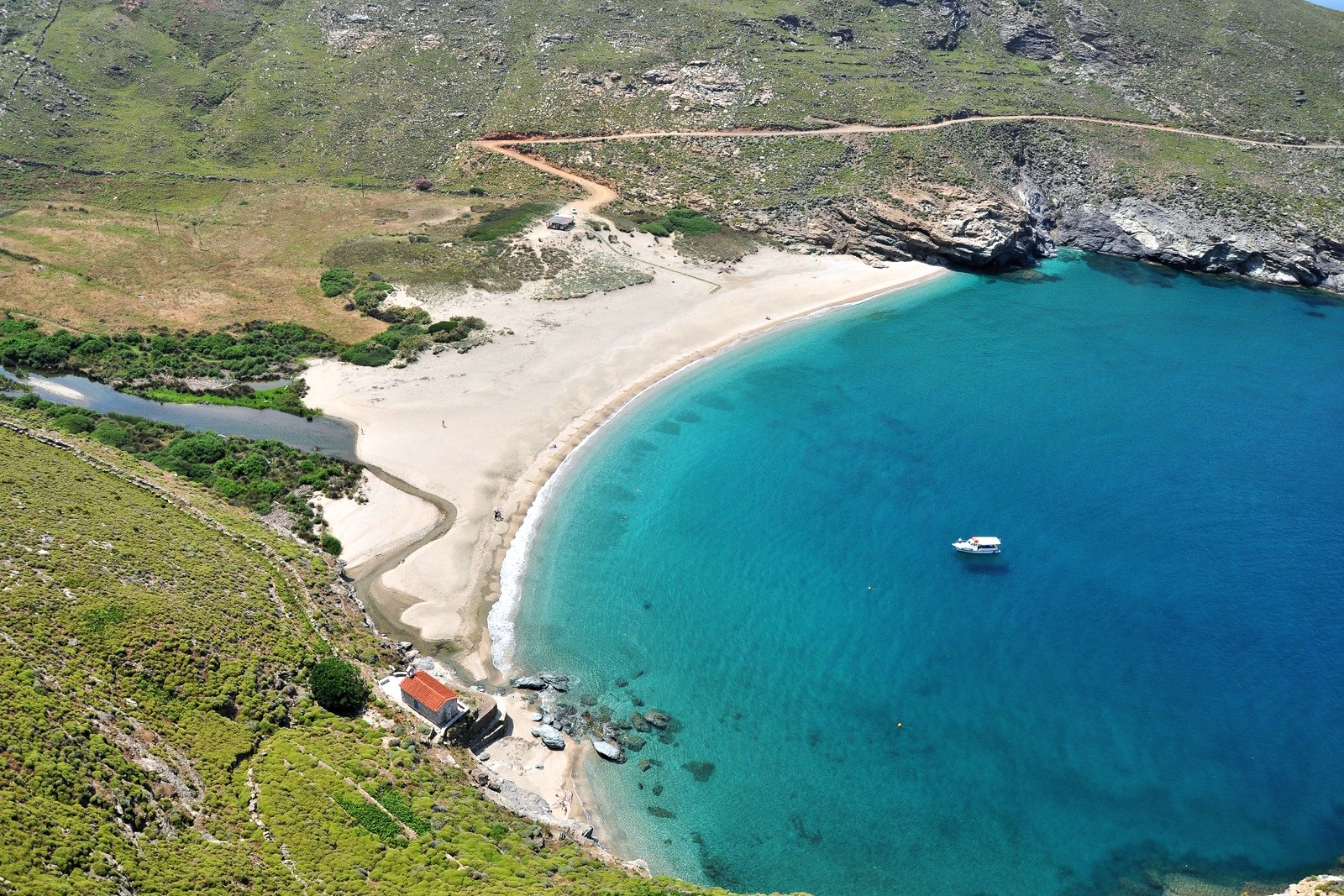
To walk, above all. Andros Routes has cleared and waymarked more than 240 kilometres of old mule paths, and the 100-kilometre Andros Route, which runs the island end to end, was the first island trail in Europe to be certified a Leading Quality Trail. You can do it in stages between villages, or pick one of the shorter waymarked day walks: a morning from Chora up through Apikia to the Pythara waterfalls, back for lunch. Then to see Chora itself, a neoclassical town on a narrow peninsula between two beaches, with a Venetian castle on the rock at the end and the Goulandris Museum of Contemporary Art in a side street. And because the beaches on the north-east coast, Achla and Zorkos and Vitali, are reached by rough road or boat and feel like discoveries.
The lie of the land
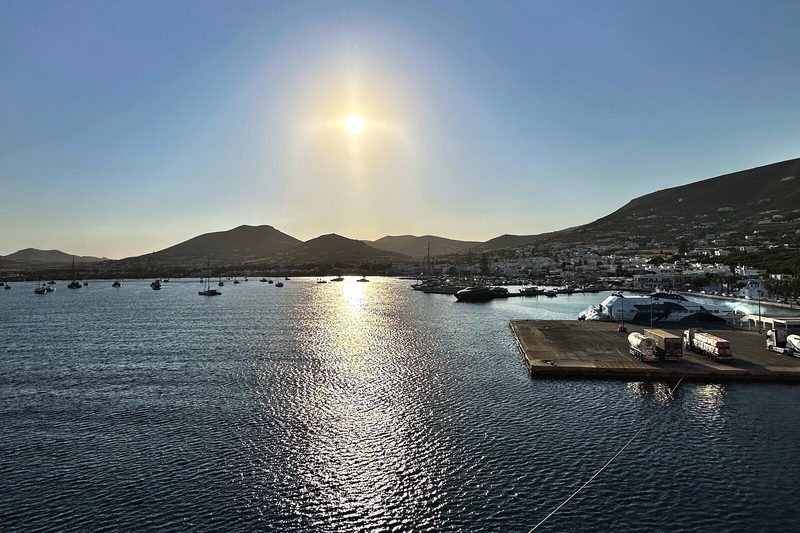
Andros is about 40 kilometres long, a spine of mountains with valleys falling to the sea on both sides. Ferries dock at Gavrio in the north-west, a workmanlike port with good beaches close by at Agios Petros and Chrysi Ammos. Ten minutes south is Batsi, the island’s one resort, a horseshoe bay of tavernas and small hotels around a sandy beach. Beyond it the road crosses the island through Paleopolis, the ancient capital, whose museum and beach lie down a long flight of steps.
Chora sits on the east coast, 35 kilometres from Gavrio. Its marble-paved main street runs between mansions to Kairi Square, then on to the statue of the Unknown Sailor and the stone bridge to the castle ruin. Paraporti and Nimborio beaches flank the town. Above it rise the green villages of Stenies, Apikia (home of the Sariza spring) and Menites, where water spouts from lion-heads under plane trees.
The south is quieter still: the Korthi valley and its bay, Ormos Korthiou, with the rock pillar of Tis Grias to Pidima beach nearby. The north-east coast, Achla, Vitali and Zorkos, is wild, roadless in parts and best approached slowly.
Eat & drink
- Fresco, Chora: an all-day bistro on the main street, from eggs and kagianas with local cheese at breakfast to handmade pizzas and salads at night, with vegan options.
- Nostalgia 1950, Chora: a retro kafeneio on Kairi Square, coffee and eggs by day, ouzo, raki and meze by night; try the tempura prawns.
- Barbarola, Stenies: a simple family taverna in the sea captains’ village above Chora, with a view over Gialia; the cooking is plain and service unhurried.
- Platanos, Chora: the kafeneio-taverna under the tree on Kairi Square, for a morning freddo, an omelette with sausage and plates of meze.
- Stamatis, Batsi: a big, busy taverna in an old lemon orchard facing the harbour, going since 1965; stick to the grills and mezedes, and ask the price of fish by the kilo before ordering.
- Sea Satin Nino, Ormos Korthiou: froutalia, seafood pasta and local cheeses under the mulberries, open all year from morning coffee to midnight.
Stay
Price bands are approximate high-season rates per night: € under €100, €€ €100 – €200, €€€ €200 – €400, €€€€ above €400.
- Micra Anglia, Chora (€€€): three 19th-century mansions turned boutique hotel and spa, with a pool and Dolly’s restaurant.
- Onar, Achla (€€€ – €€€€): stone houses and villas in a Natura 2000 river valley by the beach, with an organic farm and yoga.
- Aegea Blue, Zorkos (€€ – €€€): 24 villas arranged like a village above a north-coast beach, with a pool and restaurant, reached by a rough unpaved final stretch (a high-clearance car helps); the setting and pool are the draw, and service and the restaurant are simpler than the price suggests.
- Aegean Castle, Paleopolis (€€): five adults-only suites with an infinity pool above the ancient capital.
- Aneroussa, Batsi (€€): a friendly 30-room hotel a short walk from the beach and the tavernas.
- Perrakis, Kypri (€€): a 44-room hotel with a pool across the coast road from the beach (30 metres); ask for a sea-facing room away from the road, which is busy in summer.
Things to do
- Walk Andros Routes’ Route 2 from Chora up to Apikia and the Pythara waterfalls (about 8 kilometres, three hours), the classic half-day.
- Visit the Goulandris Museum of Contemporary Art for its summer exhibition.
- Explore Chora from the main street to the castle bridge and the Unknown Sailor.
- Drink from the lion-head springs at Menites and fill a bottle at Sariza in Apikia.
- Take the rough road or a boat to Achla beach and its river valley.
- Spend a beach day at Zorkos, Vitali or Ateni on the north coast, or Chrysi Ammos near Gavrio.
- Climb to the monastery of Panachrantou, founded in the 10th century, high above Messaria.
- Walk out to Tis Grias to Pidima beach in the south and swim beneath the rock pillar.
- Visit the Archaeological Museum and the beach at Paleopolis.
- Try froutalia, the island omelette of potato and sausage, and buy amygdalota almond sweets in Chora.
Getting there & around
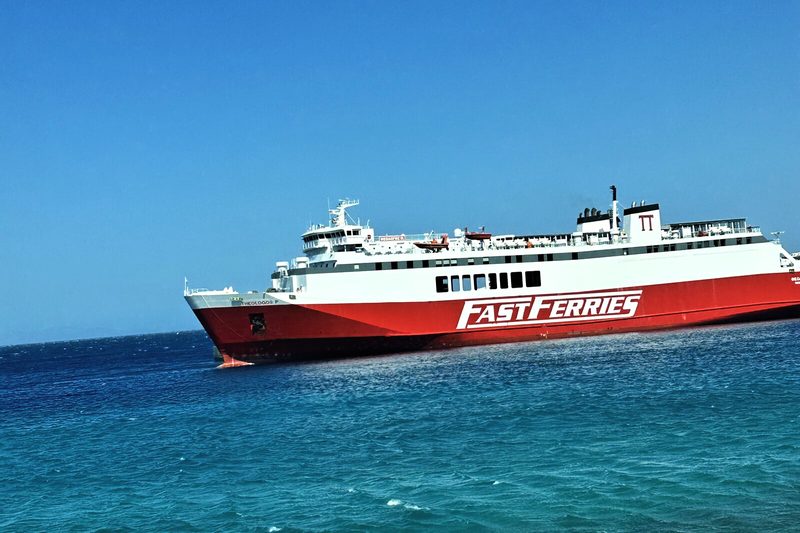
Andros has no airport. Ferries leave from Rafina, about 30 minutes by bus from Athens airport, and reach Gavrio in about 2 hours on a conventional ferry or about an hour by fast ferry. The same boats continue to Tinos (about 1 and a half hours) and Mykonos (about 2 and a half hours). Buses connect Gavrio with Batsi and Chora a few times a day, and taxis wait at the port, but for the valleys and the north-east beaches you need a car. Ask about road conditions before driving to Achla or Vitali; a boat from Chora is the gentler option.
When to go
April to June and late September to October are the walking months, when the springs run high, the valleys are green and the paths are cool. July and August are for the beaches, and Andros is quieter than its neighbours even then. Andros Routes runs guided walks in spring and autumn; check its site for dates.
Good to know
Spring water is the island’s pride; Sariza is bottled here. ATMs are in Gavrio, Batsi, Chora and Korthi. The meltemi is strongest on the north and east coasts; Batsi and the west are sheltered. Crowds are light outside August. Prices are approximate and seasonal.
Boots on, water bottle full, and the next village always just over the ridge.