Quick answers
- Where should I stay on Paros?
- Naoussa for the harbour and the island's best restaurants; Parikia, the port, for ferries and a sunset beach; the east coast, from Piso Livadi to Drios, for beaches.
- How do I get to Paros?
- About four hours from Piraeus on Blue Star's conventional ferries or about three by high-speed boat. Flights from Athens take about 40 minutes.
- How do I get from Paros to Antiparos?
- Take the car ferry from Pounta, about seven minutes and every half hour or so in season; in summer a passenger boat from Parikia takes about half an hour.
- Where can I swim on Paros when the meltemi blows?
- Parasporos, Agia Irini, Aliki or Faragas, or cross to Antiparos.
Marble underfoot. Bougainvillea overhead. A harbour that still smells of fish and rope at seven in the morning.
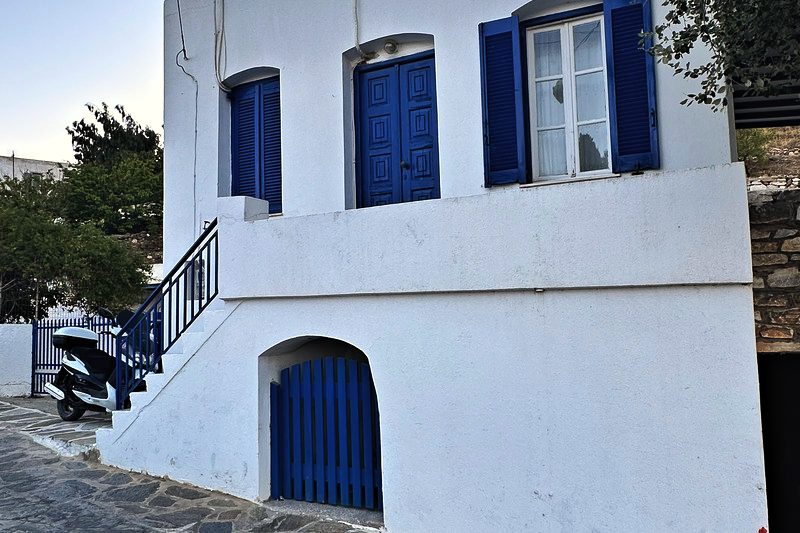
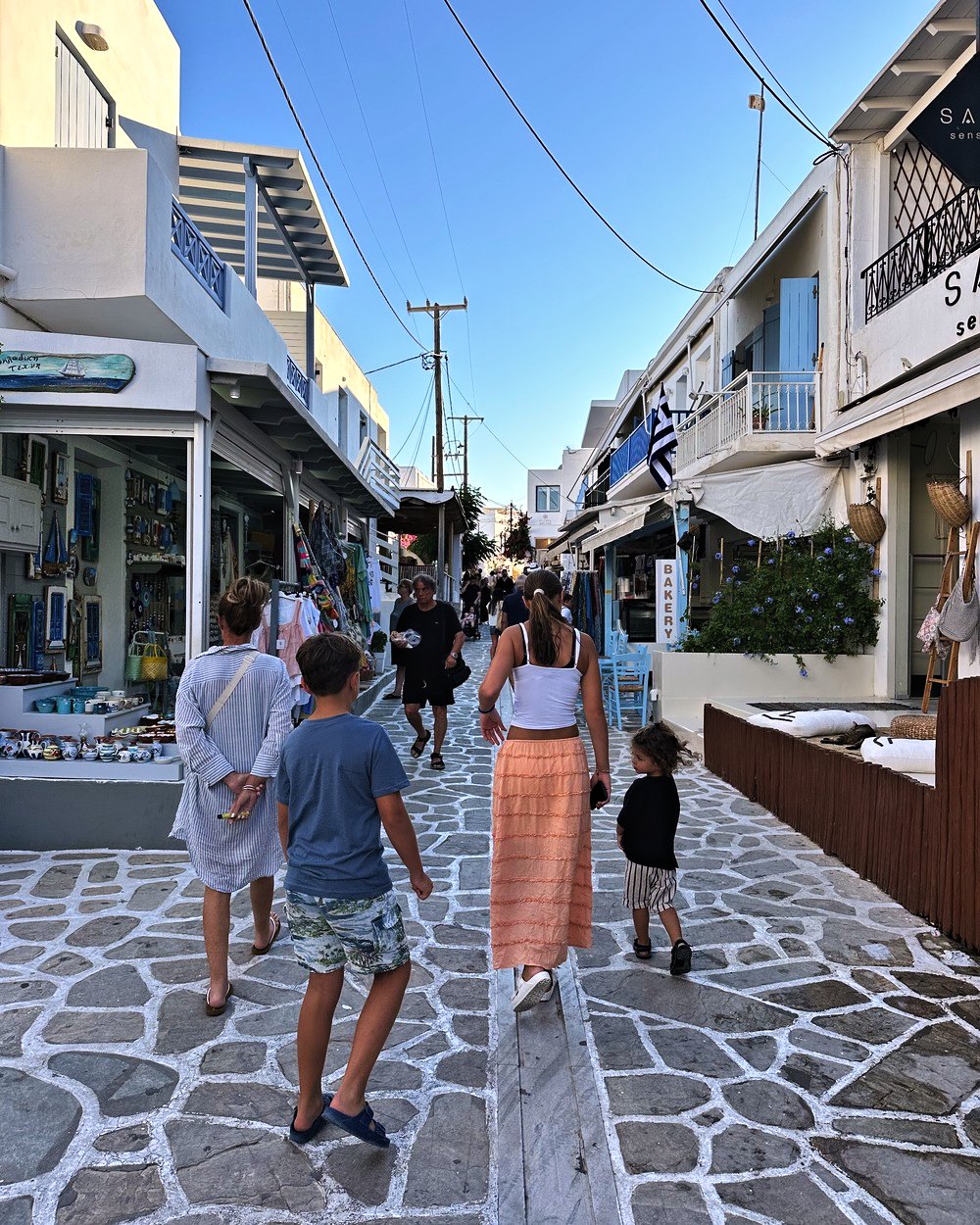
Paros sits dead centre in the Cyclades, which is why every ferry seems to stop here and why, once you do too, it is hard to leave. You get the whitewashed lanes and the Venetian harbour you came for, but you also get a working island: a port town with a 1,600-year-old church, hill villages paved in the marble that built the Venus de Milo, a 700-metre beach where the world’s windsurfers train, and a quiet little sister, Antiparos, seven minutes across the strait. It is more polished than Naxos, far less showy than Mykonos, and better value than Santorini. Wake gently here; the island rewards people who stay a week.
Why go
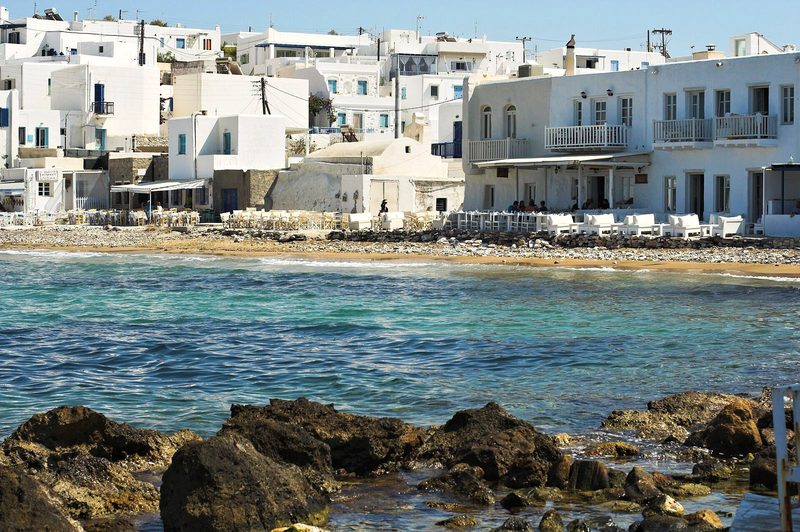
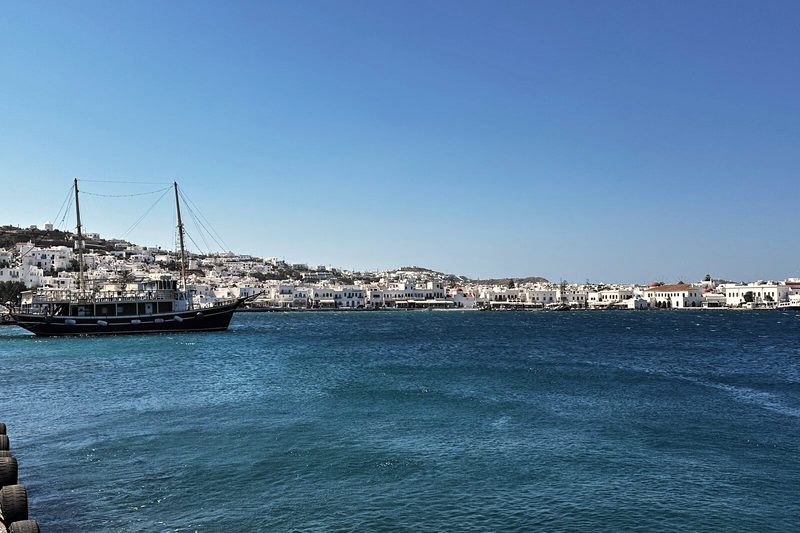
Because Paros does everything well and nothing to excess. Naoussa, on the north coast, is the prettiest fishing harbour in the islands, a horseshoe of caiques, a half-sunk Venetian fort and tables set along the quay. Parikia, the port, is older and more lived-in, with a Byzantine cathedral, a Frankish castle built from temple columns and a long sunset beach a short walk from the ferry. Inland, Lefkes and Marpissa are marble-laned villages where you hear goats and church bells rather than scooters. The beaches face every point of the compass, so there is always a sheltered one. And the island has an airport, a ferry to almost everywhere and enough good kitchens for a fortnight of different dinners.
The lie of the land
Paros is roughly oval, 20 kilometres top to bottom, with a bare marble spine, Profitis Ilias, rising to a little over 700 metres in the middle. Everything of interest is on the coast or in the villages on the lower eastern slopes.
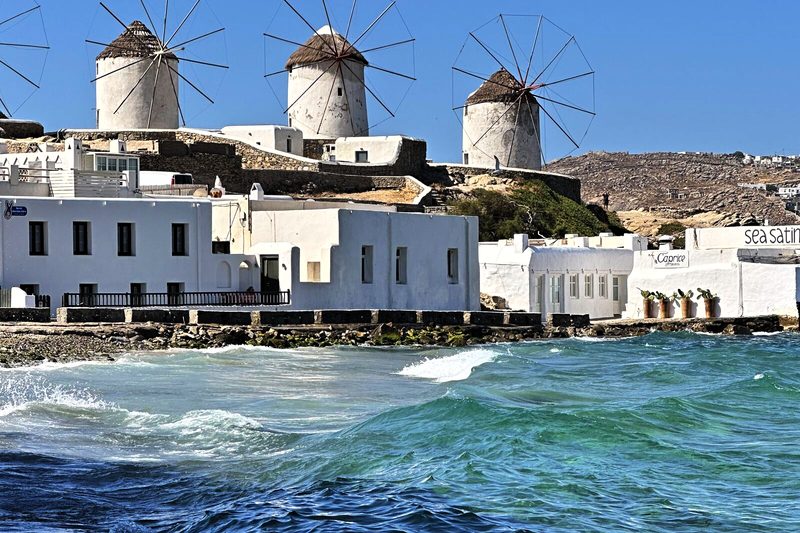
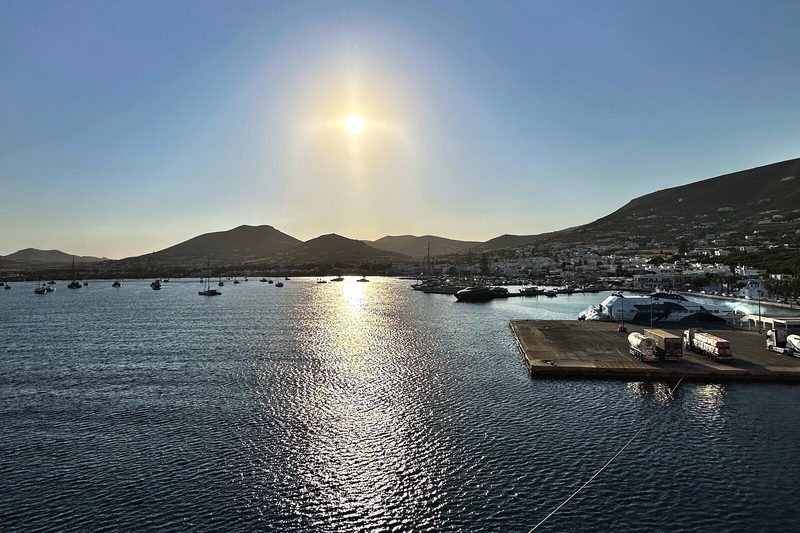
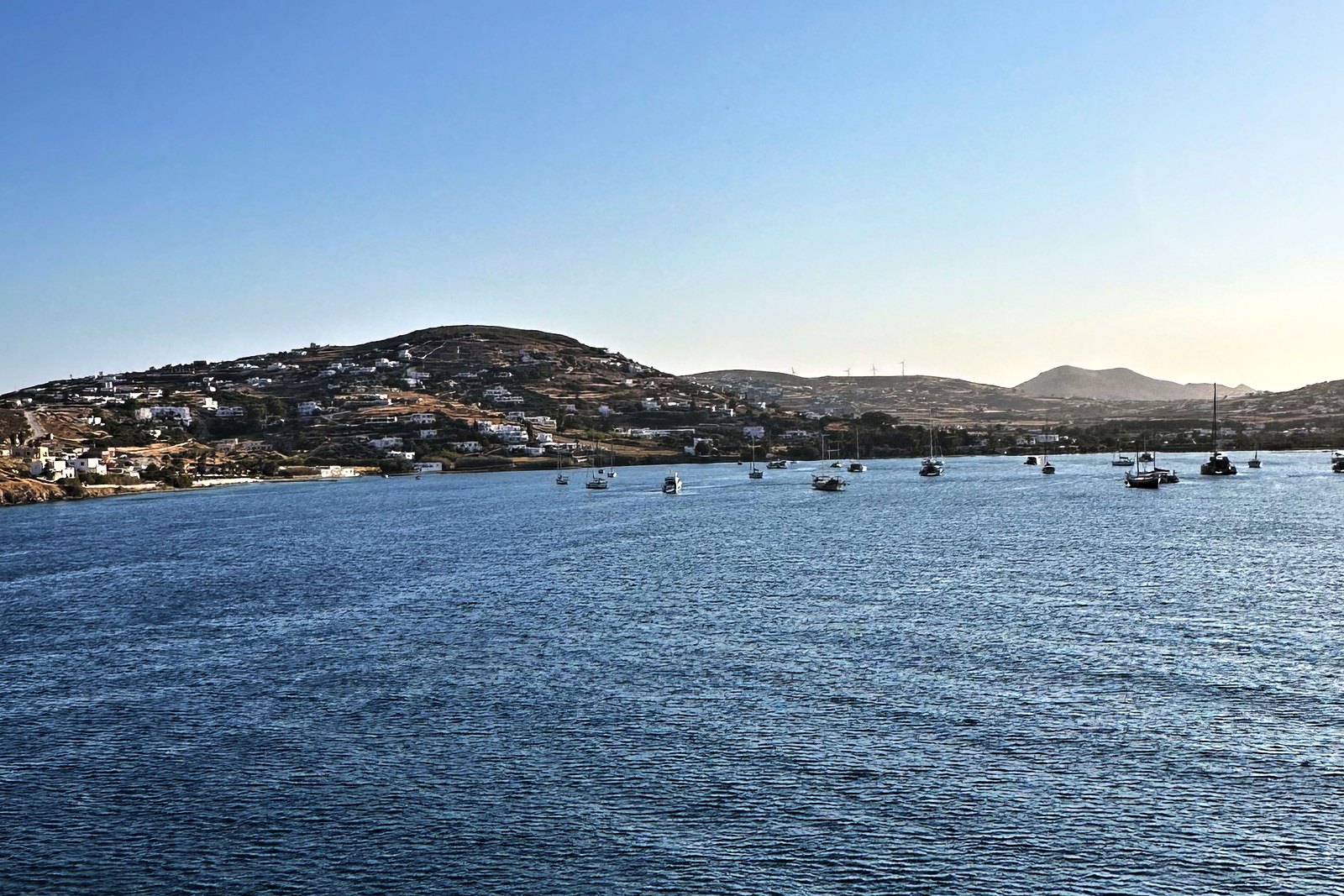
Parikia, on the west, is the port and the capital. Behind the windmill on the quay are the Kastro quarter, the Panagia Ekatontapiliani church and the archaeological museum. Livadia beach runs north from town; Krios and Marcello face it across the bay, with a water-taxi in summer. Parasporos and Agia Irini, south of town, are calmer and greener.
Naoussa, 10 kilometres north-east, is the glamorous end: harbour, old town, boutiques and the island’s best restaurants. Its bay is ringed with beaches: Kolymbithres and Monastiri to the west, Piperi, Santa Maria and Lageri to the east, and the fishing hamlet of Ambelas round the corner.
The east coast is the beach coast: Piso Livadi’s small harbour, Logaras, Punda Beach, Golden Beach and Drios, with the wind on your left shoulder.
The south and west are quieter. Aliki is a fishing village with tavernas on the sand; Faragas is a trio of coves beyond it; Pounta, on the west, is simply the ferry ramp to Antiparos, with Seesoo and a kitesurf school either side.
Inland, Lefkes sits at 250 metres among pines and marble, Prodromos and Marpissa below it, and the ancient quarries at Marathi in between.
Eat & drink
- Siparos, Xifara near Santa Maria: raw bar, grilled fish and the sunset, on a terrace above the water since 2009.
- Yemeni, Naoussa old town: slow-cooked chickpeas, lamb in vine leaves and a serious wine list in a lamp-lit lane.
- Safran, Naoussa: modern Greek seafood, cod loukoumas to lobster linguine, in a quiet alley; book.
- Thalassamou, Aliki harbour (relocated in 2025): a fourth-generation cook, an open wood-fired kitchen, serious prices; ask the weight before committing to a whole fish.
- Klarinos, Lefkes square: snails with green beans, revithada and the family’s own meat on a terrace full of basil.
- Kafenio Palia Agora, Naoussa: mezedes since the 1960s, fried meatballs, dolmades and calamari; no bookings, so queue at the green door.
Stay
- Parilio, Kolymbithres: Design Hotels Cycladic minimalism around a cross-shaped pool; from about €400 per night.
- Cosme, Naoussa: 40 suites, a half-moon infinity pool and a five-minute walk to the harbour; ask for a room away from the restaurant courtyard; from about €530.
- Avant Mar, Piperi beach: saltwater pool, Matsuhisa in summer, the beach at the gate; entry rooms are small, so pay for a sea view; from about €620.
- Seesoo, Pounta: 11 apartments (guests 13 and over) on the rocks facing Antiparos, with a ladder straight into the sea; from about €320.
- Paros Agnanti, Krios: hillside resort above Parikia bay with infinity pools, a spa and padel courts; from about €200.
- Paros Bay Hotel, Parasporos: about 60 rooms, a garden pool and a beachfront restaurant on a low cliff above the sand; good value.
Things to do
- Swim between the sculpted granite boulders at Kolymbithres before the water-taxis arrive.
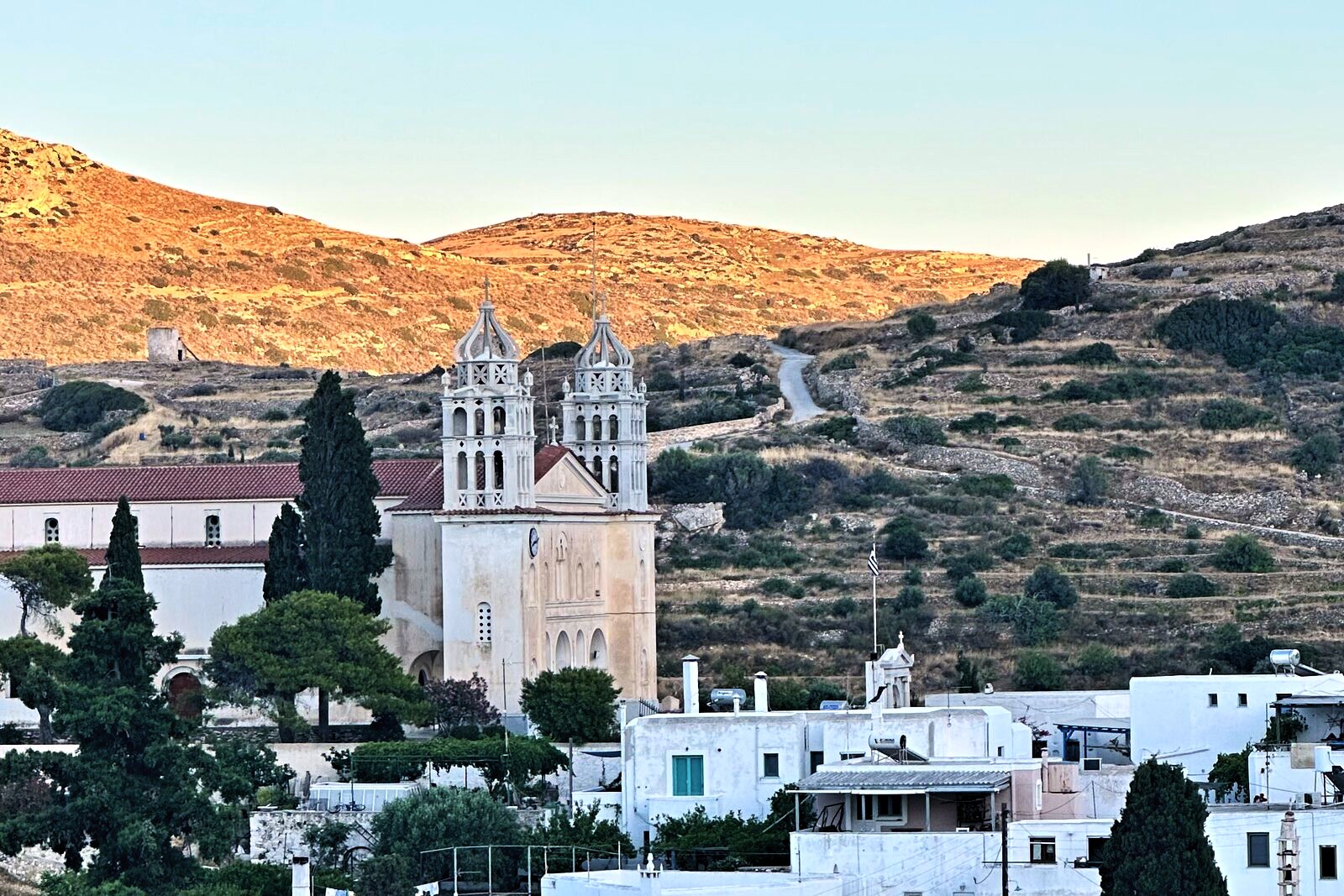
- Walk the Panagia Ekatontapiliani, the “church of a hundred doors”, founded, tradition says, in the fourth century.
- Take an evening volta round Naoussa’s old harbour and climb what is left of the Venetian fort at the end of the mole.
- Hike the marble-paved Byzantine trail from Lefkes down to Prodromos, about an hour.
- Learn to windsurf at Golden Beach, where side-shore meltemi and flat water make it one of the best schools in Europe.
- Spend a day in Paros Park at Agios Ioannis Detis: trails to the lighthouse, Monastiri beach and open-air cinema in summer.
- Stand in the ancient marble quarries at Marathi, source of the lychnites marble used for the Venus de Milo.
- Taste the Moraitis family’s Monemvasia whites at their winery on the edge of Naoussa.
- Take a caique to Antiparos and on to the sanctuary of Apollo on uninhabited Despotiko.
- Eat lunch with your feet in the sand at Aliki, then drive five minutes to the coves at Faragas.
- Watch the fishermen mend nets at Piso Livadi over an ouzo and a plate of marinated anchovies.
- See the fragment of the Parian Chronicle in the archaeological museum in Parikia.
Getting there & around
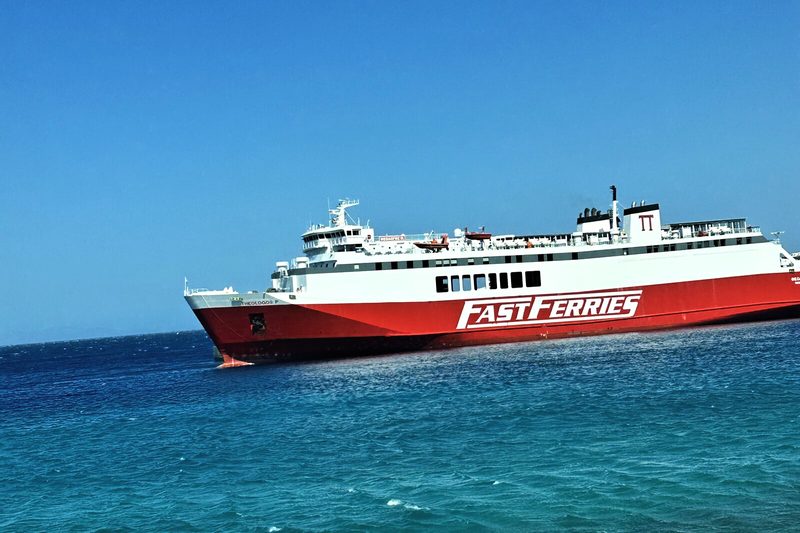
By sea. Blue Star’s conventional ferries take about four hours from Piraeus and are the comfortable, wind-proof choice; SeaJets and other high-speed boats do it in about three. From Rafina, fast ferries take three to four hours via Mykonos. Paros is a hub: Naxos is about 45 minutes away, Mykonos about an hour by fast ferry, Syros about an hour, Santorini one and a half to three hours, Milos two to three hours on the fast boats. All the big ferries dock at Parikia. Book with Ferryhopper or the operators direct.
By air. Paros National Airport is about 10 kilometres south of Parikia; Aegean/Olympic and Sky Express fly from Athens in about 40 minutes, several times a day in summer. Most international travellers connect through Athens.
Getting around. KTEL buses run from Parikia to Naoussa, Lefkes, Piso Livadi, Drios, Aliki and Pounta, often enough in summer, thinly in winter. A small hire car is the sensible choice for a week; ATVs are everywhere but tiring on the longer hops. Taxis cluster at the port. For Antiparos, drive to Pounta and roll onto the car ferry, about seven minutes and every half hour or so in season; in summer a passenger boat also sails from Parikia harbour, about half an hour.
When to go
June and September are the sweet spots: warm sea, long evenings, tables available and the meltemi not yet at full strength. July and August bring the wind, the crowds and August’s panigiria (the harbour of Naoussa stages a mock pirate raid on 23 August). May and early October are quiet and lovely, with cooler water and some places still shuttered. Orthodox Easter is a fine time to see the villages at their most local.
Good to know
- Water. Tap water is desalinated and tastes of it; buy bottled or bring a filter bottle.
- ATMs in Parikia, Naoussa, Lefkes, Piso Livadi and Aliki. Cards are widely taken, but tavernas in the villages still prefer cash.
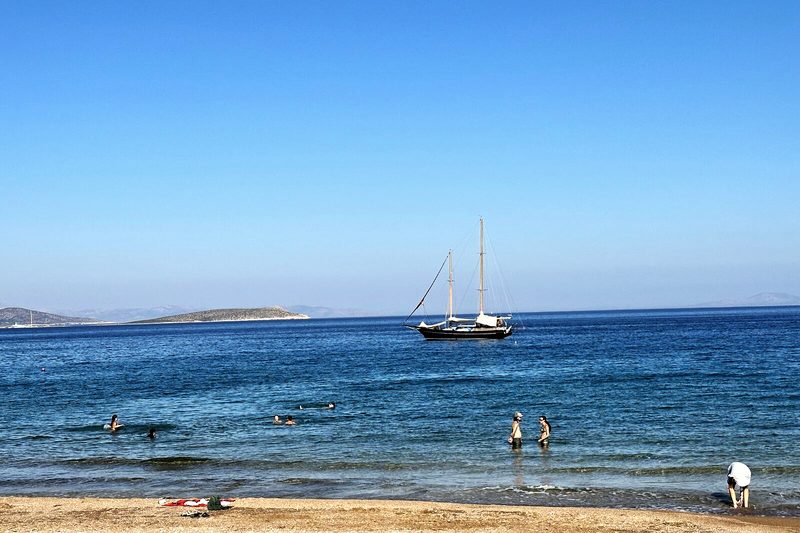
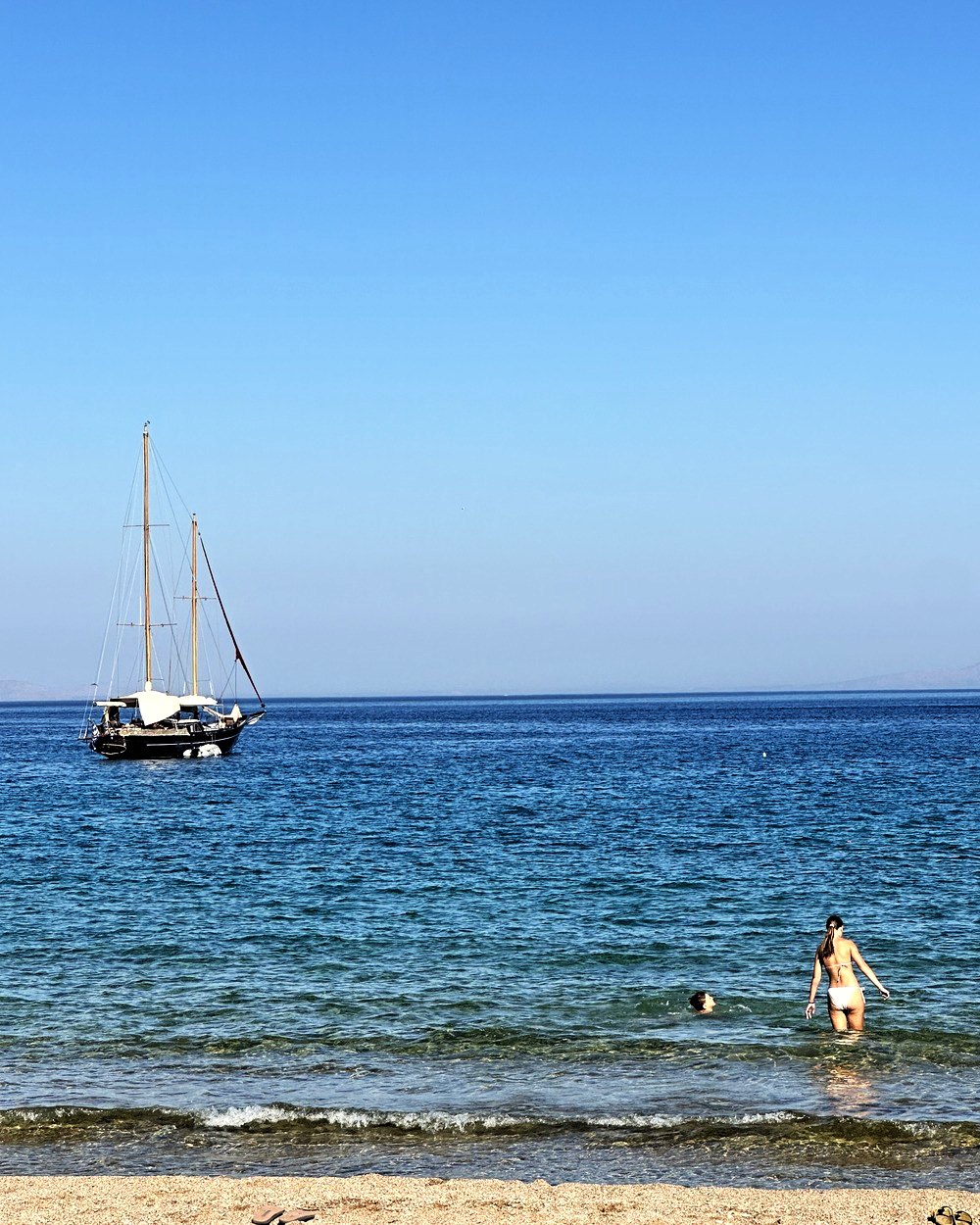
- Meltemi. The north wind is strongest from mid-July to late August and hits the north and east coasts first. When it blows, head for Parasporos, Agia Irini, Aliki or Faragas, or across the water to Antiparos.
- Crowds. August is full. Book ferries, cars and the Naoussa restaurants two to three weeks ahead, and hotels far earlier.
- Prices are approximate and seasonal throughout this guide.
Stay long enough to learn which beach suits which wind, and Paros stops being a stopover and becomes the island you measure the others against.